
Coaching and Mentoring, General
Start Your New Year Now – New Year Resolutions for 2027
Use the Final 12 Weeks of 2026 to Build Momentum for 2027
What are three things that you would like to accomplish or achieve by the end of the year?
It’s Monday, 28th September 2026.
For me, today marks the beginning of my final 12-week year of 2026.

That might sound a little strange. We normally think of a year as starting on 1 January, and we tend to associate September with the final stretch of the existing year rather than the beginning of a new one.
But I’m deliberately looking at the next twelve weeks differently.
Rather than waiting until January to decide what I want the new year to look like, I’m going to use the final three months of 2026 to create some momentum.
In other words:
If you want to start next year better, start preparing for it now.
This idea is inspired by The 12 Week Year and some of the other thinking around consistency, habits and the cumulative effect of small actions.

New Year Resolutions Start Earlier Than You Think
The word resolution is interesting.
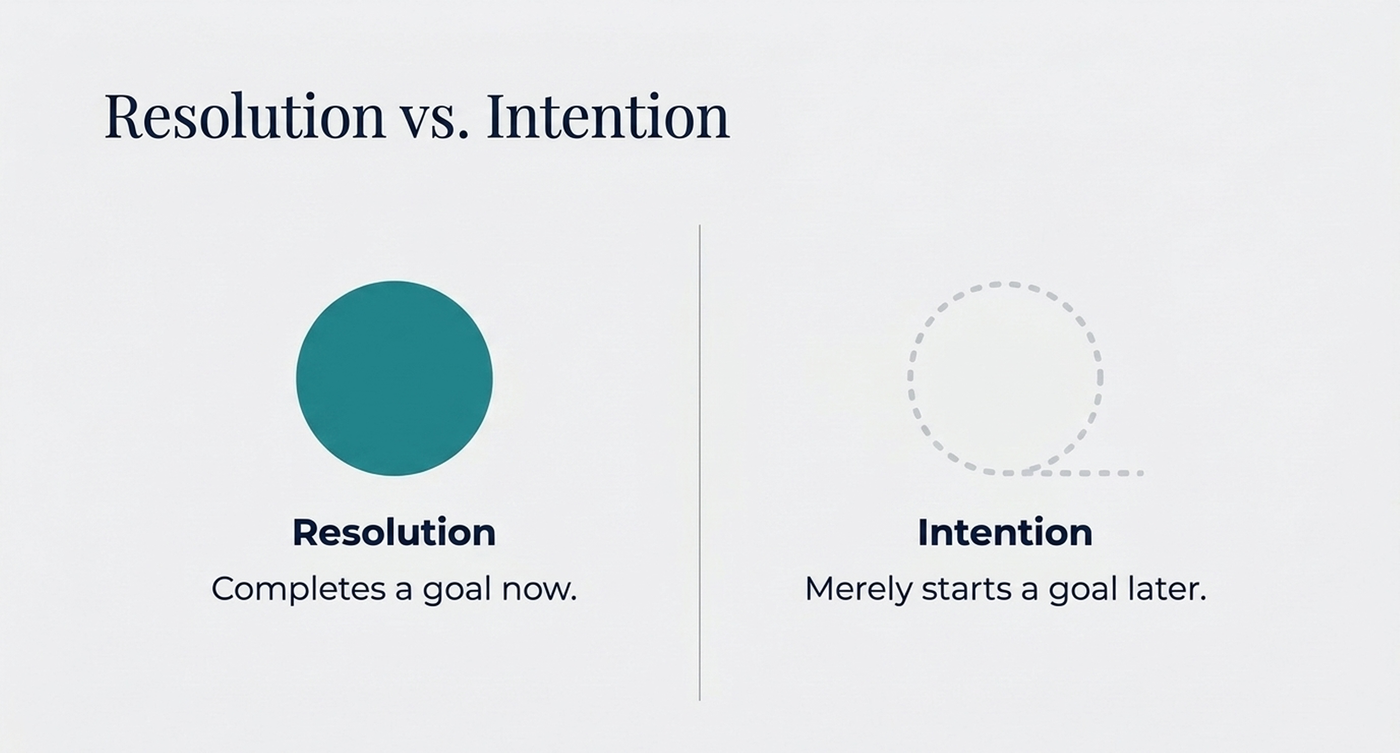
A resolution is about resolving something. It suggests bringing something to completion, settling something, or reaching a point of resolution.
Yet when we talk about New Year resolutions, we often use the phrase to describe a list of things we intend to start doing in January.
We arrive at the beginning of a new year and say things like:
- I’m going to get fit.
- I’m going to lose weight.
- I’m going to learn a language.
- I’m going to write a book.
- I’m going to sort out my finances.
- I’m going to spend more time with my family.
- I’m going to start a new business.
- I’m going to change my life.
There is nothing inherently wrong with any of these intentions.
The problem is that we often wait until the beginning of the year to think about them.
By then, January has arrived and we’re starting from a standing start.
So what happens if we reverse the process?
Start your New Year before the New Year.
Instead of waiting until January to decide what you want to accomplish, use October, November and December to work on three things that you want to have resolved by the end of the year.
Then, when January arrives, you aren’t starting from zero.
You’re starting with momentum.

The Final Three Months Can Be the Beginning of the Next Year
There is a tendency to see the end of the year as a period of winding down.
Christmas approaches. Work slows down. Routines change. People become distracted by celebrations, shopping, social commitments and holidays.
For some people, the end of the year can also mean putting on weight, falling behind with work, spending more money, neglecting exercise or allowing projects to drift.
Then January arrives.
And suddenly we decide that we need to “get back on track”.
We start trying to undo what happened during the previous few months.
But there is another way of looking at the final quarter.
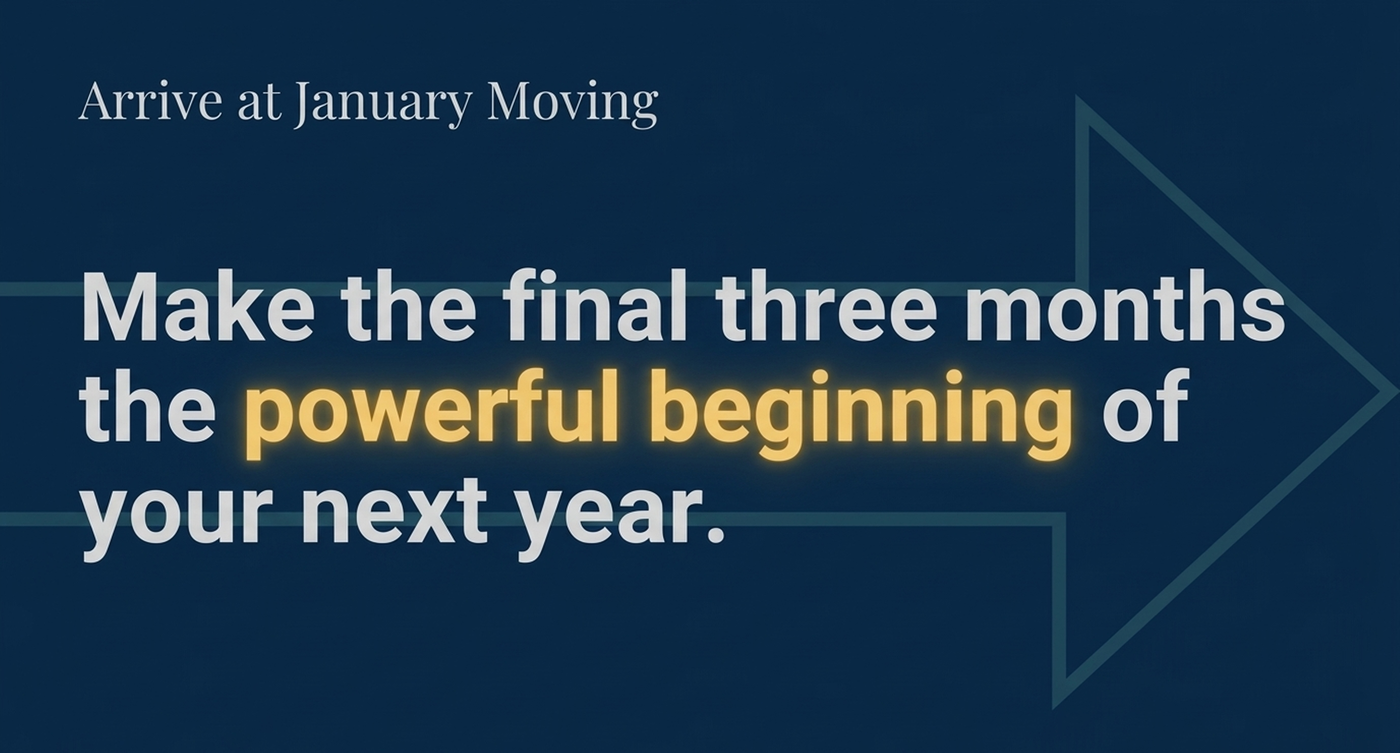
What if the final three months weren’t the end of the year?
What if they were the beginning of the next one?
You can use these twelve weeks as a transition period.
Instead of arriving at 1 January with a long list of resolutions, you can arrive with:
- Some progress already made.
- Some habits already established.
- Some projects already completed.
- Some momentum already created.
- A clearer idea of what matters.
- A better understanding of what you want to focus on next.
That changes the experience of starting a new year.
12-Week Year Support Plans
You don’t have to do it alone.
If you would like additional support in planning, implementing and staying accountable throughout your 12-Week Year, I currently offer the following coaching and mentoring options:
Initial Consultation — £95
A one-off consultation to help you plan and set up your 12-Week Year, clarify your three key goals and identify the actions and behaviours that will move you towards them.
Four-Week Coaching & Mentoring — £495
Four weeks of coaching and mentoring support at any point during your 12-week challenge. This is designed to help you stay focused, maintain momentum and remain accountable as you work towards your goals.
Full 12-Week Coaching & Mentoring — £995
Support throughout the entire 12-week process, from initial goal setting and planning through to implementation, review and accountability.
If you’re interested in any of these support options, you can get in touch with me through Facebook, Instagram or LinkedIn.
My Final 12-Week Year of 2026
I’m using this approach personally.
I’ve chosen three areas that I want to focus on over the next twelve weeks.
They are:
- Health
- Spanish language
- Books and publishing
These are not the only things that matter to me.
They are simply the three things I’ve decided deserve my focused attention during this particular 12-week period.
That distinction is important.
Choosing three priorities doesn’t mean that everything else becomes irrelevant.
It means that these three things receive a greater proportion of my available attention and energy.

1. Health: Changing the Measure
My first focus is health.
Originally, I was looking at scale weight as the measure.
But I’ve changed my thinking about that.
As I’m doing strength training, my muscle mass and scale weight can remain relatively stable even while my body composition changes.
So simply watching the number on the scales doesn’t necessarily tell me what I want to know.
My focus is therefore changing from:
“How much does the scale say I weigh?”
to:
“What is happening to my body composition?”
My target is to reduce my body fat level by approximately 3–5 percentage points.
The broader lesson here is that the measure you choose matters.
Sometimes we become focused on a measurement simply because it is easy to measure.
But the easiest thing to measure isn’t necessarily the thing that best represents the outcome we’re trying to achieve.
What are you actually trying to change?
And:
Is the measure you’re using actually measuring that?
That is a useful question to ask about any goal.
2. Spanish: Turning Ongoing Learning Into a Defined Project
My second focus is Spanish.
I’ve been studying Spanish for quite a while.
So this isn’t a completely new goal.
I’ve already started.
I’ve already invested time and effort.
But I’m using the next three months to give that learning a more defined period of focus.
I’ve got a course that I want to complete.
That gives me something specific to work towards.
There is a difference between saying:
“I want to learn Spanish.”
and saying:
“Over the next twelve weeks, I am going to complete this particular course.”
The second statement creates a defined project.
It gives you:
- A timeframe.
- An outcome.
- A reference point.
- Something you can measure.
- A reason to organise your time.
Again, the objective isn’t necessarily to become fluent in twelve weeks.
It is to make meaningful progress towards something that matters.
3. Books and Publishing: Moving From Project to Completion
My third focus is books.
I currently have a couple of books being compiled for publication.
The next stage is to get them:
- Released.
- Published.
- Marketed.
- Into the hands of readers.
There is an important distinction between working on something and completing something.
A project can sit in development for a very long time.
There can always be another edit, another illustration, another improvement, another piece of research or another thing that could be changed.
At some point, however, the project needs to move from:
Development → Completion → Release → Use
That’s part of what I want to accomplish during this 12-week period.
Why Only Three Things?
This raises an obvious question.
Why three?
Why not five?
Why not ten?
Why not twenty?
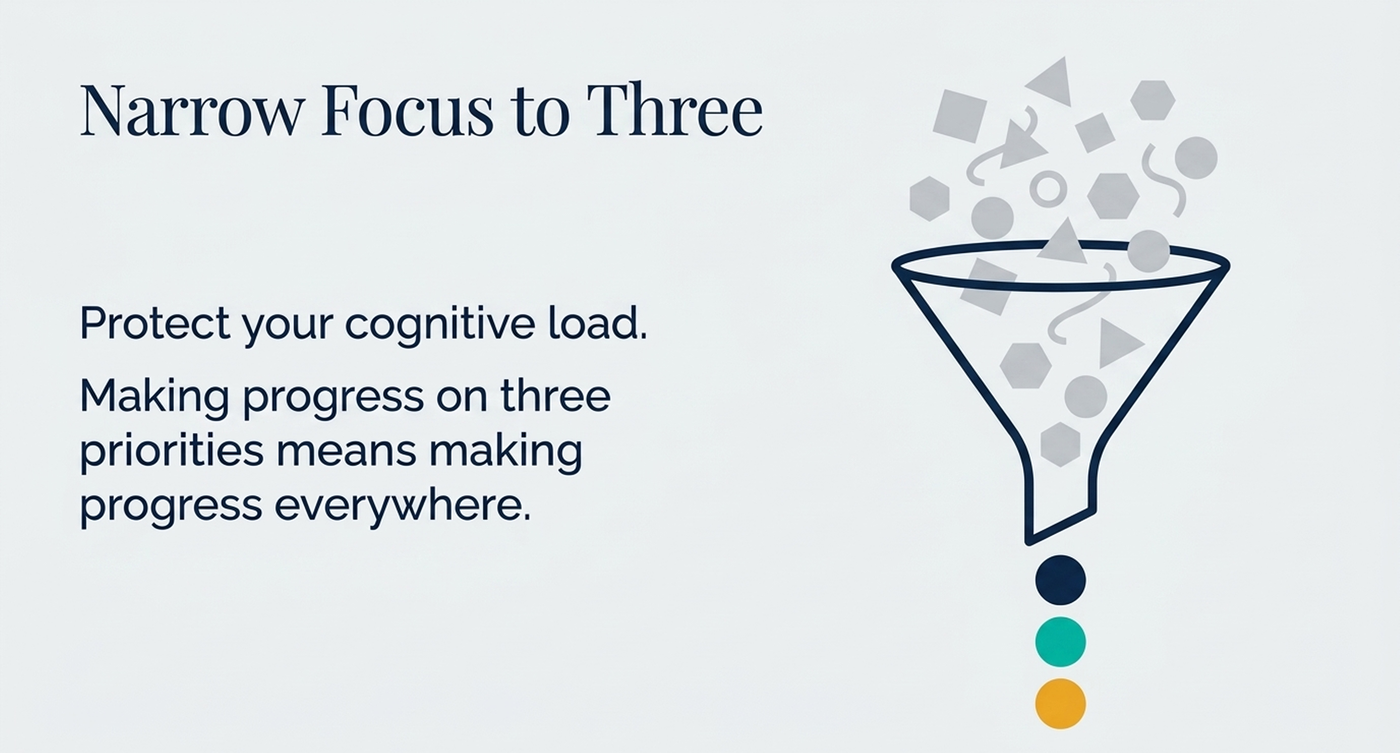
Because there is a limit to the amount of attention and energy we have available.
When you add more and more goals, you’re not simply adding more things to a list.
You’re adding more things that require:
- Mental energy.
- Emotional energy.
- Physical energy.
- Time.
- Attention.
- Decision-making.
- Planning.
- Cognitive capacity.
There is only so much cognitive load we can actually carry.
And that creates an interesting paradox.
Trying to make progress everywhere can mean making progress nowhere.
By narrowing your focus, you create the opportunity to make more meaningful progress in the areas you’ve chosen.
Three isn’t a magic number.
The important principle is constraint.
You are deliberately limiting the number of things competing for your attention.
Focus Is Also About What You Say No To
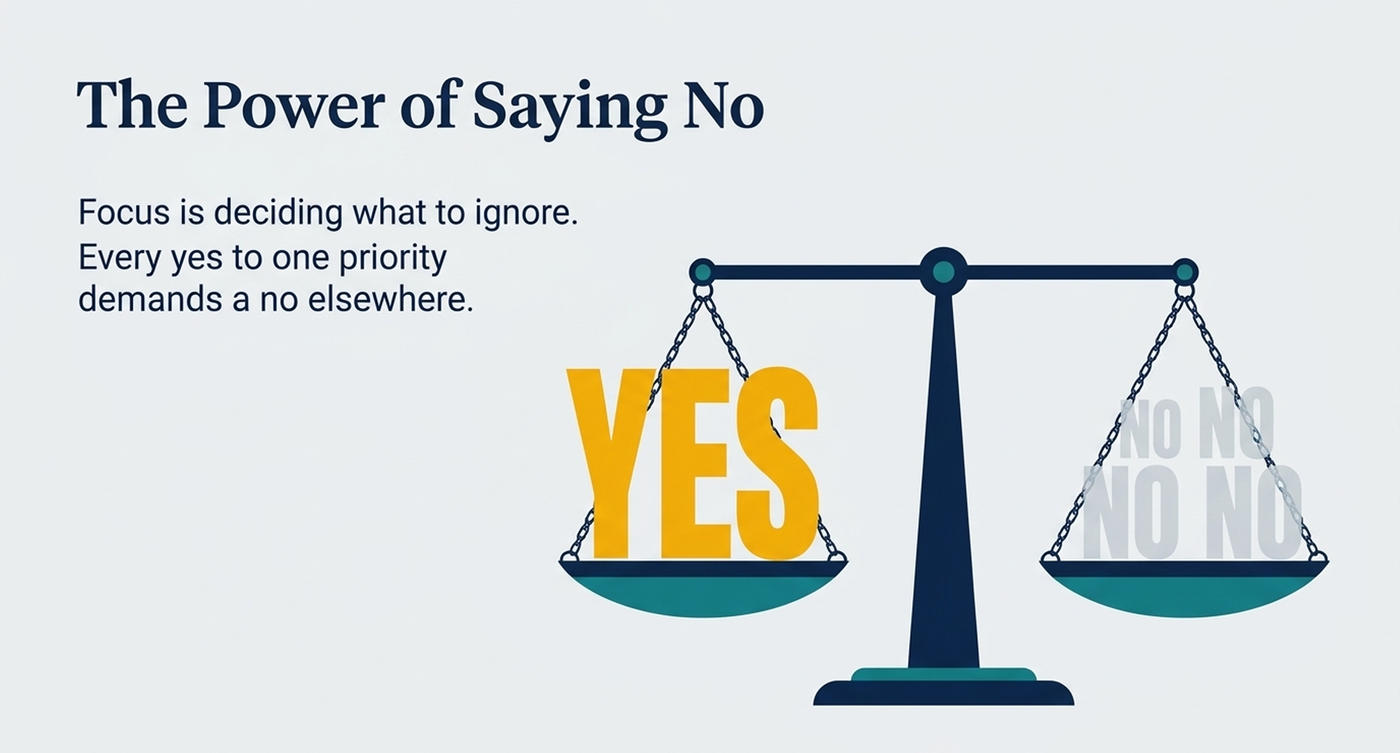
One of the most important lessons of this process isn’t necessarily learning what to do.
It’s learning what not to do.
When you’re working on any goal, it’s not just about what you’re working on.
It’s about what you choose to say no to.
Every time you say yes to something, you’re potentially allocating time and attention that could have gone somewhere else.
That doesn’t mean that everything outside your three priorities must be rejected.
Life doesn’t work like that.
There will always be unexpected events, responsibilities, relationships, opportunities and obligations.
But there is value in becoming conscious of the choices you’re making.
What deserves your attention?
What doesn’t?
What can wait?
What can you stop doing?
What can you say no to?
Learning to say no is probably one of the most important lessons this process can teach.
The Three Priorities Become Non-Negotiable
Once you’ve decided on your three priorities, they become the areas where you deliberately focus your attention.
This doesn’t mean that they have to be completed every day.
It doesn’t mean that everything will go according to plan.
It doesn’t mean that circumstances won’t change.
It means you’ve made a decision about what matters.
And that creates an opportunity to develop two important skills:
Focus
The ability to direct your attention towards something deliberately.
Prioritisation
The ability to decide what deserves your attention when everything appears important.
These aren’t just goal-setting skills.
They’re life skills.
They are useful whether you’re working on health, business, relationships, education, finances, creativity or personal development.
Resolution vs Intention
There is another distinction I want to make.
Resolution
A resolution is about resolving or completing something.
So I’m using the final twelve weeks of the year for:
New Year resolutions.
Not in the traditional sense of writing a list on 1 January, but in the sense of identifying things I want to resolve or accomplish before the year ends.
Then, when January arrives, the focus can change.
Intention
An intention is about how you intend to approach something.
So January becomes an opportunity to think about:
How do I want to start the year?
Rather than:
What enormous list of things am I going to change this year?
That is a subtle but potentially useful change in perspective.

Don’t Confuse Planning With Progress
There is another trap worth recognising.
You can spend an enormous amount of time planning how you’re going to change.
You can:
- Read books.
- Watch videos.
- Download planners.
- Create spreadsheets.
- Buy notebooks.
- Design systems.
- Make lists.
- Research strategies.
- Create goals.
And still not actually do anything.
Planning can be useful.
But planning is not the same as progress.
At some point, you have to begin.
Start now.
Then refine the process as you go.
The First Week Is About Traction
My new 12-week year starts today.
But I’m not going to try to accomplish everything today.
My immediate focus is this week.
The objective is to get some:
Traction.
Momentum.
Progress.
That first week matters because action creates information.
Once you start, you learn:
- What works.
- What doesn’t.
- What takes longer than expected.
- What needs changing.
- What you need to stop doing.
- What needs more attention.
You can then adjust.
The goal isn’t to create a perfect twelve-week plan that never changes.
The goal is to create enough structure to start moving.
The Power of Small Actions
This is where several of the books I recommend connect with the idea.
You don’t necessarily need one enormous action to change your trajectory.
You can make progress through smaller actions repeated consistently.
A workout.
A study session.
A page written.
A chapter edited.
A conversation.
A decision.
A task completed.
Individually, these things may appear relatively insignificant.
But repeated over time, they can produce a very different result.
This is why the next twelve weeks matter.
Twelve weeks gives you enough time for repeated action to accumulate while still being short enough to maintain a strong sense of urgency.

Recommended Reading
There are four books that fit particularly well with this approach.
They approach the subject from different angles, but together they create a useful framework for thinking about time, action, consistency and results.
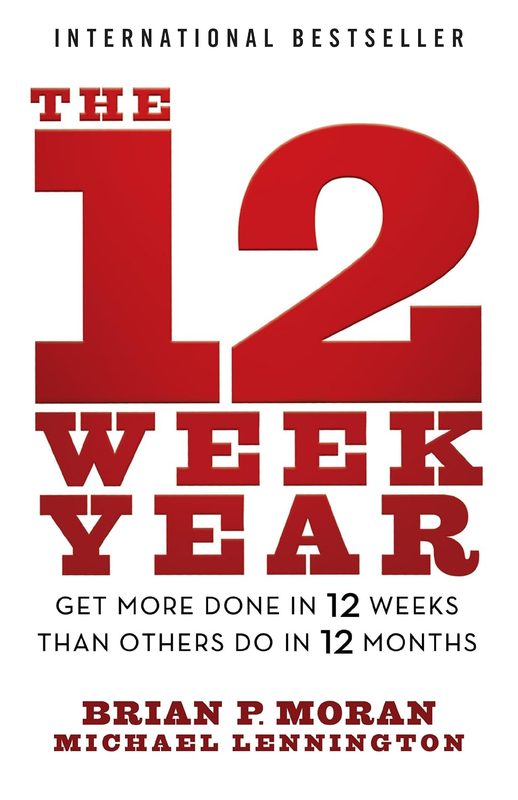


The 12 Week Year
Brian P. Moran and Michael Lennington
The 12 Week Year provides the framework behind this approach.
Instead of treating a year as twelve months, the idea is to treat twelve weeks as a complete planning and execution cycle.
That changes the psychology of time.
If you believe you have twelve months, there can be a tendency to postpone action.
If you have twelve weeks, the timeframe becomes much more immediate.
The book explores areas including:
- Vision.
- Goal setting.
- Planning.
- Execution.
- Accountability.
- Weekly action.
- Measuring progress.
For me, the useful idea is taking something that could become a vague New Year resolution and putting it into a defined twelve-week period.
The question becomes:
What can I accomplish in the next twelve weeks?
The Slight Edge
Jeff Olson
The Slight Edge focuses on the power of small, consistent actions.
The central idea is that small decisions may appear insignificant in the moment, but their effects accumulate when they are repeated.
That makes it particularly relevant to this approach.
You don’t necessarily need to transform everything immediately.
You need to start making decisions that move you in the direction you want to go.
The challenge is that the results aren’t always immediately visible.
You can do something today and see almost no difference.
Do it again tomorrow and there may still be almost no visible difference.
But continue doing it for weeks, months and years, and the accumulated effect can become significant.
That is the slight edge.
Small actions.
Repeated consistently.
Producing larger results over time.
The Compound Effect
Darren Hardy
The Compound Effect explores a similar principle from the perspective of accumulation.
The basic idea is that repeated choices compound.
One decision might seem insignificant.
But repeated decisions create patterns.
And those patterns can eventually produce substantial consequences.
This applies across many areas:
- Health.
- Money.
- Relationships.
- Learning.
- Business.
- Personal development.
The important thing is that the outcome is often not produced by one enormous event.
It is produced by a series of smaller choices accumulating over time.
That makes the final three months of the year particularly interesting.
Three months may not sound like a long time.
But three months of consistent action can put you in a very different position when January arrives.
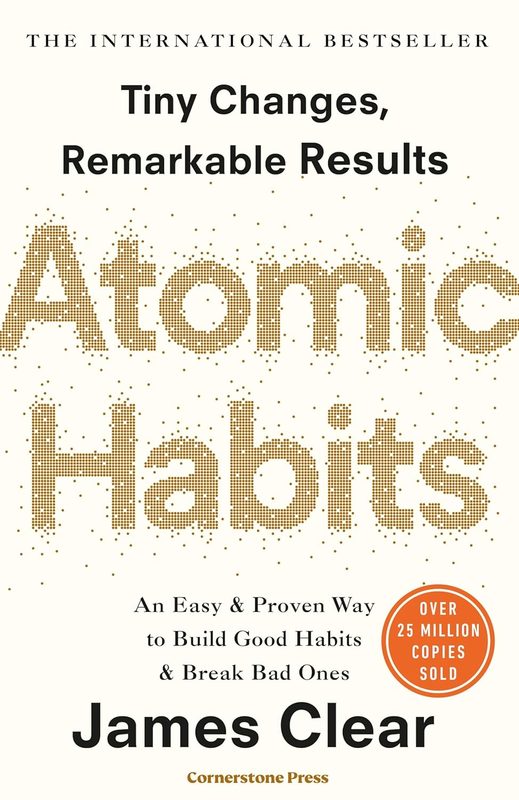
Atomic Habits
James Clear
Atomic Habits approaches the subject from the perspective of behaviour.
Goals tell us where we want to go.
Habits influence what we actually do repeatedly.
That distinction is important.
If your goal is health, what behaviours support it?
If your goal is learning Spanish, what does your regular study routine look like?
If your goal is publishing a book, what actions need to happen each week?
The goal gives you a destination.
Your habits help create the pathway.
This is why goals and habits need to work together.
You need to know what you’re trying to achieve, but you also need to understand what you need to repeatedly do to move towards it.
How the Four Books Fit Together
You can think about the four books as four different lenses.
| Book | Key Question |
|---|---|
| The 12 Week Year | What timeframe am I working within? |
| The Slight Edge | What happens when I take small actions consistently? |
| The Compound Effect | What happens when those actions accumulate? |
| Atomic Habits | How do I make those behaviours repeatable? |
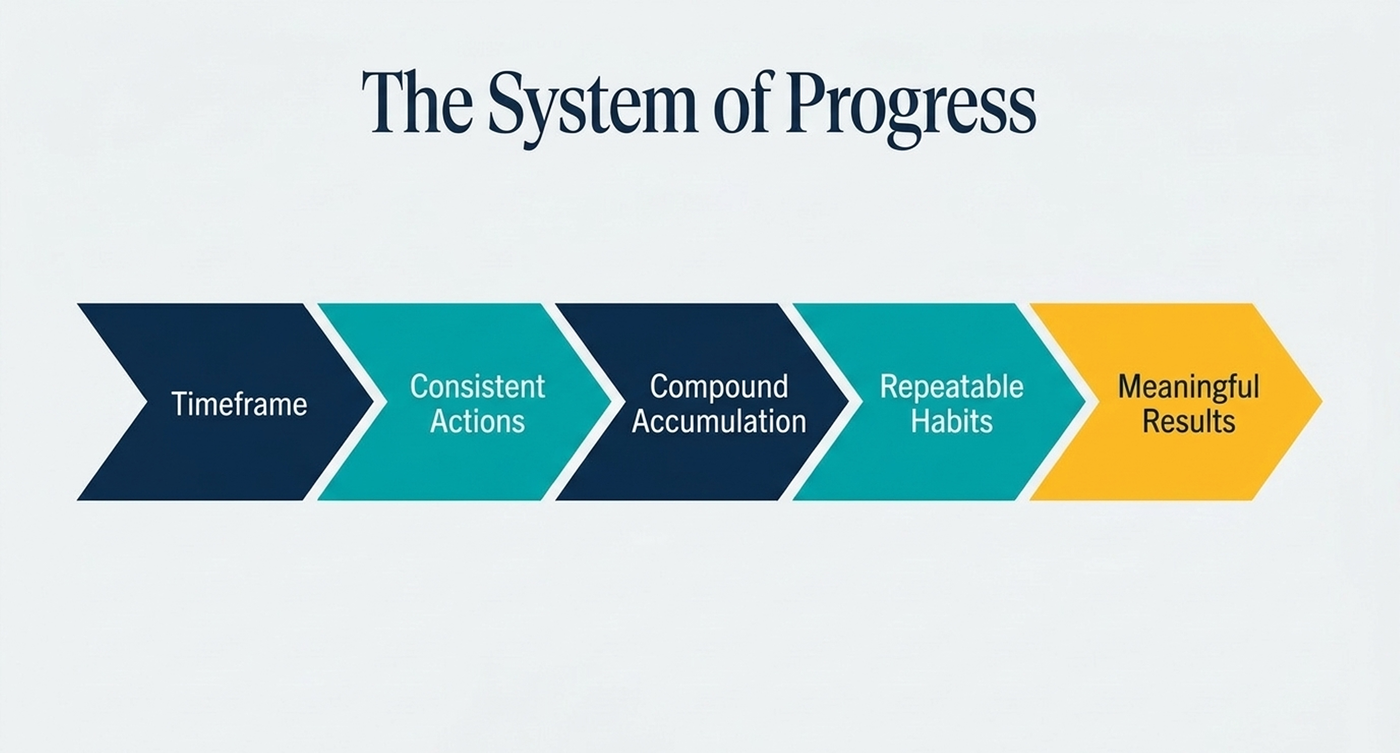
Together, they create a simple progression:
Timeframe → Action → Consistency → Accumulation → Results
You don’t necessarily need to read all four.
And reading them shouldn’t become a substitute for doing the work.
The books are resources.
The work still has to be done.
Don’t Turn Personal Development Into Procrastination
There is a strange irony in personal development.
You can become very good at learning about change without actually changing anything.
You can spend months reading about:
- Goals.
- Habits.
- Motivation.
- Productivity.
- Psychology.
- Time management.
- Personal development.
And still be standing in exactly the same place.
So don’t wait until you’ve read every book.
Don’t wait until you’ve created the perfect plan.
Don’t wait until January.
Start.
Then learn.
Then adjust.
Then continue.
Your Final 12 Weeks of 2026
So here’s the question I’d like you to consider.
What are three things that you want to achieve by the end of 2026?
Not ten.
Not twenty.
Three.
They could be related to:
- Health.
- Learning.
- Work.
- Business.
- Money.
- Relationships.
- Creativity.
- Personal development.
- A project you’ve been putting off.
The specific areas are up to you.
The important thing is that they are meaningful enough to deserve your attention over the next twelve weeks.

Turn Each One Into Something Concrete
Once you’ve identified your three things, ask yourself:
What exactly do I want to accomplish?
Be specific.
Then:
How will I know I’ve accomplished it?
Identify a meaningful measure.
Then:
What needs to happen every week?
Turn the outcome into actions.
Then:
What do I need to say no to?
Identify distractions, competing priorities or unnecessary commitments.
And finally:
What can I do this week?
Don’t begin with January.
Begin with the next seven days.
Start 2027 With Momentum
Imagine arriving at 1 January 2027.
You could arrive with a list of resolutions that you’ve only just thought about.
Or you could arrive having already spent twelve weeks working on the things that matter to you.
You could have:
- Improved your health.
- Completed a course.
- Finished a project.
- Published something.
- Established a habit.
- Created momentum.
- Learned something.
- Made progress.
January would then become a continuation rather than a beginning.
That’s the idea I’m exploring with this final 12-week year.
Don’t wait for the new year to start changing.
Use the end of this year to create the beginning of the next one.
Your Three Things
So I’ll leave you with the original question:
What are three things that you would like to accomplish or achieve by the end of the year?
Write them down.
Choose carefully.
Make them meaningful.
Decide what progress looks like.
Then identify what you need to do this week.
You don’t have to change everything.
You don’t have to solve everything.
You don’t have to have the perfect plan.
You just need to choose three things and start.
Because the objective isn’t simply to finish 2026 well.
It’s to make sure 2027 doesn’t have to start from zero.

Resources
The 12 Week Year — Brian P. Moran & Michael Lennington
The Compound Effect — Darren Hardy
Download and Continue the Process
I’ve also created supporting resources for this presentation, including some example worksheet ideas to help you identify your three priorities and plan the next twelve weeks.
You can use the worksheet to turn the ideas in this article into something practical.
If you’d like additional support, discussion or accountability around the process, you can also join through the relevant WhatsApp or Facebook community.
The important thing, however, is not the resource.
It’s what you do with it.
Think about your next three months.
Choose your three things.
And get started now.
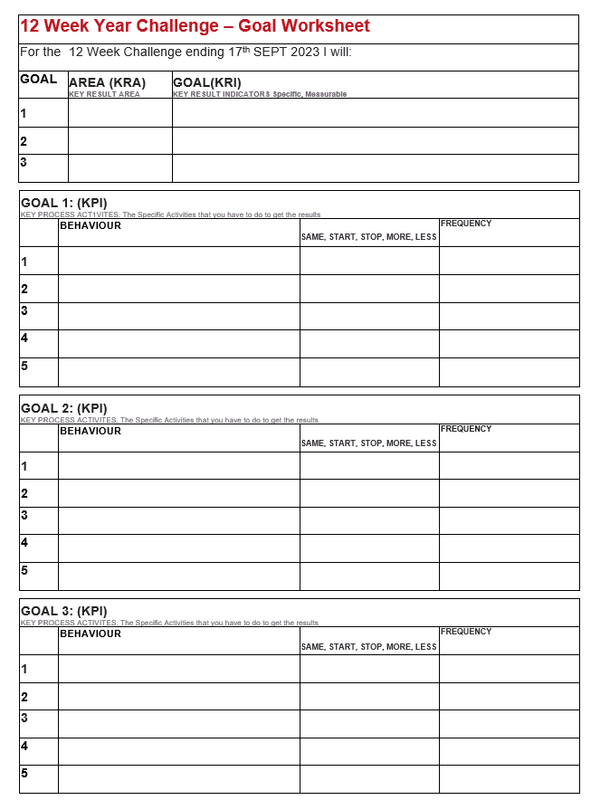
12-Week Year Challenge Goal Sheet
Define your goals. Identify the behaviours. Create the plan.
The 12-Week Year Challenge Goal Sheet provides the starting point for setting up your final 12-week year.
Begin by identifying three key goals and the specific area of your life you are working on. For each goal, define a Key Result Indicator (KRI) that is specific and measurable, so you can clearly identify what you want to achieve by the end of the 12 weeks.
Your desired results are then broken down into the Key Performance Indicators (KPIs) — the actions and behaviours that will move you towards those results.
The later exercises build on this foundation. Use the Stop, Start, More, Less exercise to identify the behaviours you need to change, introduce or increase. Then use the Weekly Activity Register to track those behaviours and monitor your progress.
Together, these worksheets create a simple system:
Three Goals → Measurable Results → Key Behaviours → Stop/Start/More/Less → Weekly Tracking → Progress
This is the starting point for creating your own 12-Week Year and turning your goals into consistent action.
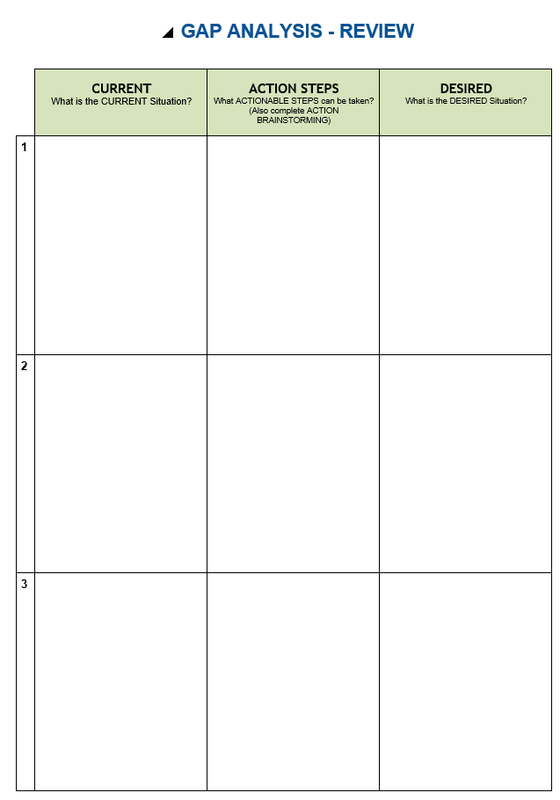
Gap Analysis
Where are you now, and where do you want to be?
This worksheet helps you explore the gap between your current position and where you desire to be by the end of the year.
Start by taking an honest look at where you are right now. Then describe what you would like to have achieved, changed or completed by the end of your final 12 weeks.
Once you have identified the gap, use the space provided to brainstorm possible action steps that could help you move from where you are now towards where you want to be.
You don’t need to have everything figured out. The purpose is to create clarity, identify possibilities and begin turning your desired outcome into practical action.
Action Brainstorming
Stop. Start. More. Less.
This worksheet provides a simple way to identify the actions and behaviours that can help you move towards your desired outcome.
Consider four areas:
- Stop — What behaviours or actions could you stop doing because they are getting in the way?
- Start — What new positive behaviours or actions could you begin?
- More — What is already working that you could do more of?
- Less — What could you reduce because it is taking time, energy or attention away from what matters?
The aim is not to make dramatic changes all at once. It is to identify small, practical changes that you can begin incorporating into your daily and weekly routine.
Over time, these actions can become repeatable behaviours and habits, helping you create the momentum needed to achieve your goals.

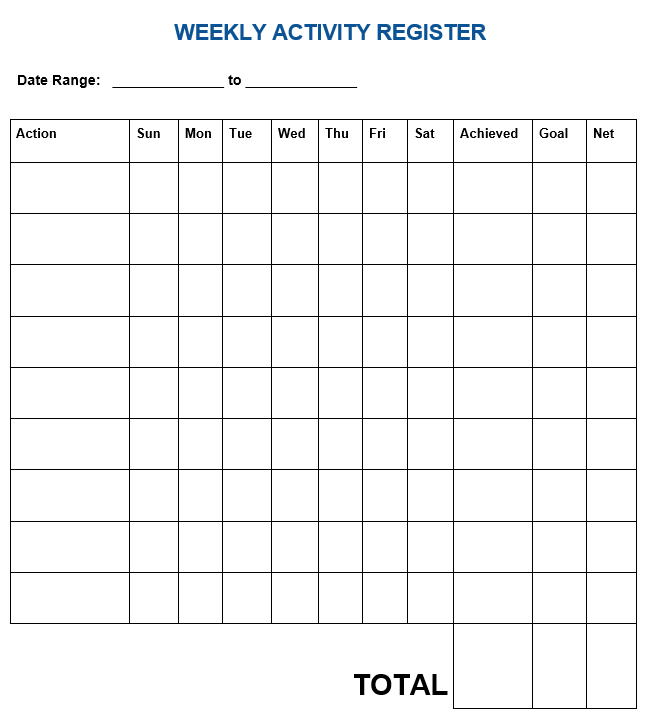
Weekly Activity Register
Track the actions that move you forward.
The Weekly Activity Register, also found in The Compound Effect, is a simple visual checklist for recording and tracking your key actions throughout the week.
Start by listing your planned actions in the first column. Then, each day, tick off whether you completed each action.
At the end of the week, review your results. Compare the number of actions you actually completed with the target you set for yourself.
This gives you a simple way to see whether you are staying on track, where you are making progress and where you may need to make adjustments.
The purpose isn’t perfection. It is awareness, consistency and accountability.
By making your actions visible, you can see your progress building week by week and identify the behaviours that are helping you move towards your 12-week goal.
These are just some of the tools and exercises that can help you set up and work through your own 12-Week Year.
If you’ve never stayed focused on a specific goal or set of goals for a sustained period of three months, I’d highly recommend giving it a try.
As I’ve mentioned, support plans are available if you would like coaching, mentoring and accountability along the way.
Good luck with your 12-Week Year, and I hope you have a strong finish to 2026 — so you can begin 2027 with momentum rather than starting from zero.
