Coaches and Mentors
It’s Going to Get Harder Before It Gets Easier
As we come up to the end of the year, and we prepare for the start of 2026, a lot of people are going to be setting New Year’s resolutions. They’re going to be hoping that 2026 is going to bring some really good stuff for them — and I genuinely hope it does.
However, my experience over many years of doing personal development and self-help is that the year tends to repeat itself, and the same challenges, problems, and issues people had before simply get carried forward.
There’s always excitement around the new.
The feeling that there’s a new opportunity.
A sense that this time things will be different.
And yet, what generally happens is this.
The January Drop-Off
People start strong, but within a couple of weeks — and there’s even evidence to support this — by the third week of January, everything they wanted to work on:
- Health
- Relationships
- Job
- Family
- Reading
- Art
…starts to fall off.
By around January 19, most people have already given up.
I’m currently writing a book about working through this exact phase — the messy middle.
That’s when it gets hard.
The excitement of the new is gone.
The New Year is no longer new.
It’s already history.
You’re back into the middle of January, back into the grind:
- Work
- Family responsibilities
- Day-to-day pressures
And all the things an individual wants to do to improve their life, to make a difference, get pushed to the end. They get put on the back burner.
The Messy Middle and Self-Compassion
I think that’s one of the reasons I wrote The Art of Self-Compassion.
It’s in the messy middle that you really need self-compassion. You need to be kind to yourself, not beat yourself up because you’ve fallen off — because it will happen.
I call it “the dip.”
The dip happens to everyone.
It’s very unlikely that any person can sustain high levels of peak performance continuously over a long period of time. Sooner or later, something will happen:
- There will be a dip
- There will be a downward slide
- There may even be a spiral
How someone reacts to that is what makes the difference.
If you’re expecting it, pre-empting it, preparing for it, and you put safety nets in place, then:
- The dip won’t go as deep
- It won’t last as long
- You’ll be ready to pull yourself out of it much earlier
If you think it’s not going to happen to you, and you don’t put things in place, you’re far more likely to suffer when it does.
Why Most People Fall Off
The messy middle is where the difference shows between:
- People who get themselves out of the dip and back on track
- People who fall off, give up, and return to the grind
Until something else happens — and then they try again.
So yes:
It will get harder before it gets easier.
My Own Experience With the Dip
Over a long period of time, everything I work on hits obstacles:
- Spanish language studies
- Roller skating
- Writing
- Learning
- Music
- Property
- Work
- Motor vehicles
I constantly hit:
- Bumps in the road
- Obstacles
- Hurdles
- Things that throw me off
Not all of these are problems.
Sometimes the distractions are good things:
- Social events
- Invitations
- Meetings
- Time with lovely people
- Meals out
- Family time
Not everything is an issue. Some distractions are genuinely positive.
And yet, a person can get caught up in good things while avoiding the necessary work required to actually progress.
There are multiple layers to this. I’m only sharing two parts right now.
Support Through January: Coaching & Mentoring
If you want help getting through this period — especially January — I’m running a coaching and mentoring programme.
- Free of charge
- Saturdays: 10am – 12pm
- Starting in January
I’m also looking to run a second session:
- Tuesday evenings: 6:30pm – 8:30pm
- In Nottingham
- Venue still to be confirmed
These sessions exist to help you:
- Stay on track
- Get through the dips
- Maintain focus
Why People Don’t Come to Coaching
I’ve thought a lot about why people don’t attend coaching sessions, and I’ve come to one main conclusion:
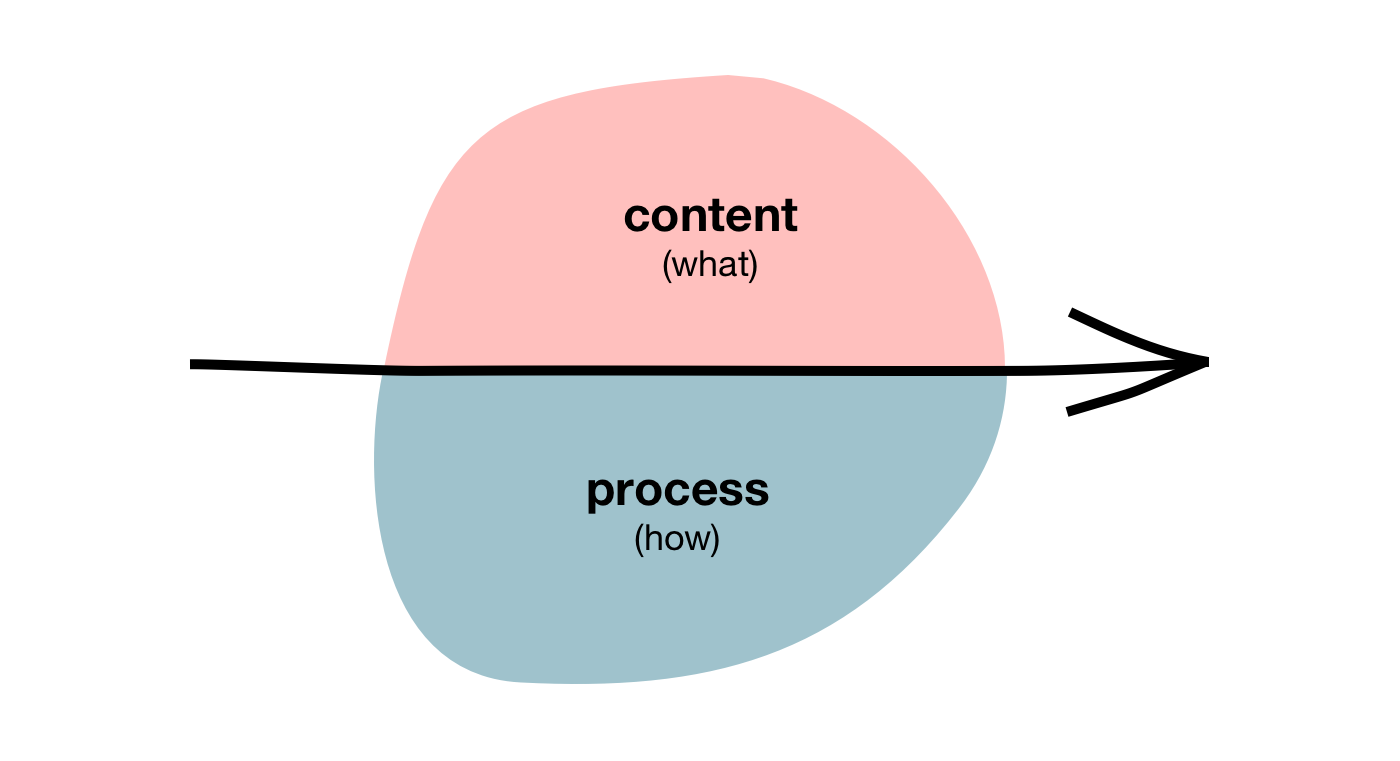
Vulnerability.
Many people carry shame about their circumstances. They don’t want to expose their struggles — whether that’s:
- Relationships
- Money
- Finances
- Work
They fear being judged or criticised, often based on past experiences.
That’s not how I work.
Content Work vs Process Work
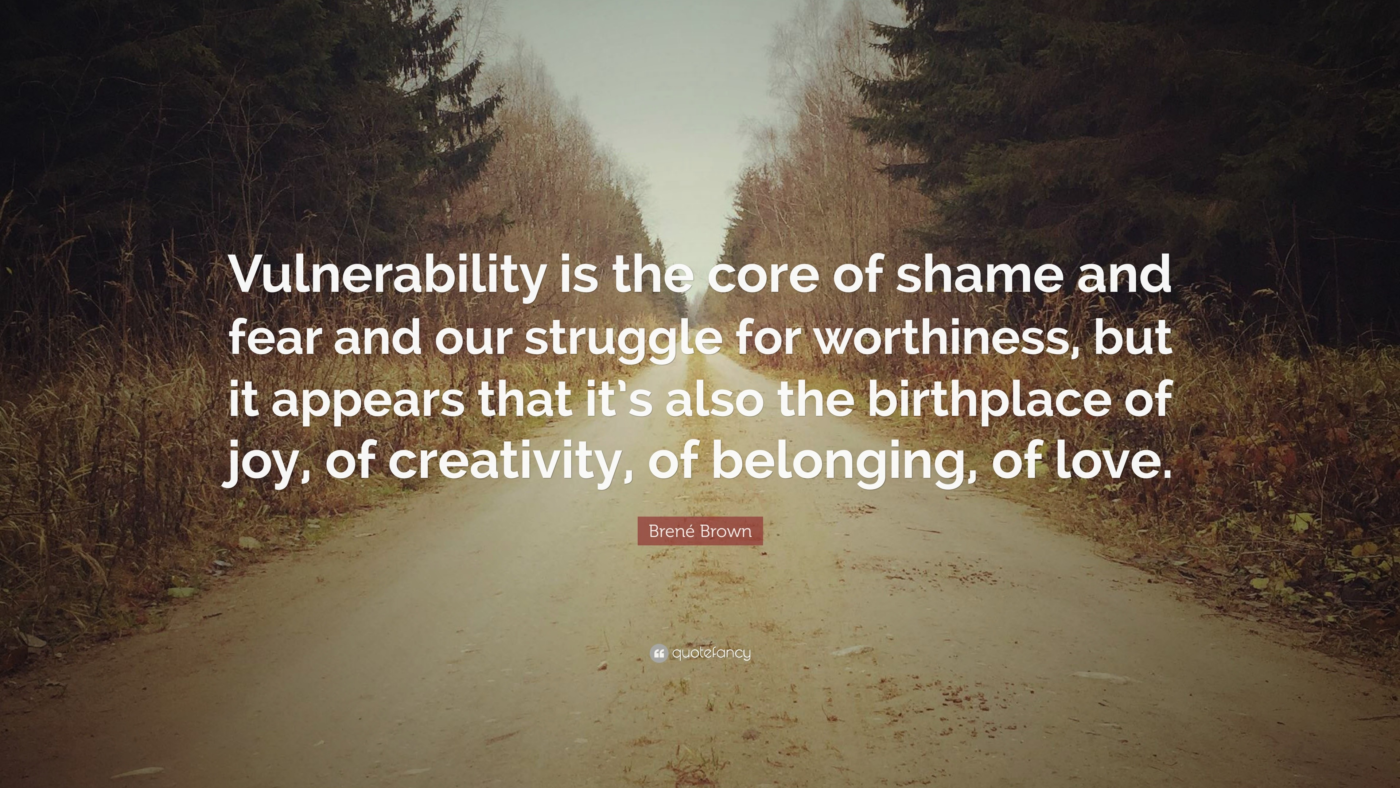
The environment I create is very safe, and there are two distinct ways of working:
1. Content Work
This involves sharing the issue you’re bringing to the table. To some degree, you need to name the challenge.
2. Process Work
This is completely different.
Process work is structural and includes:
- Journal prompts
- Exercises
- Worksheets
You work through these yourself.
You do not need to share the specific problem you’re working on. Through reflection, introspection, and reviewing your goals and objectives, you can work deeply without exposing personal details.
This includes:
- Anchoring yourself in the moment
- Grounding
- Reflecting
- Recommitting
- Getting back on track
You can do meaningful work without disclosure.
A Reality Check for 2026
So here’s the summary.
For most people, 2026 will look very similar to 2025 and 2024.
You’re deeply embedded in:
- Your identity
- Your role
- Where you fit in society
These are structural limitations.
It’s unlikely you’ll create something new while staying in the same patterns of thinking.
If you genuinely want change, I recommend:
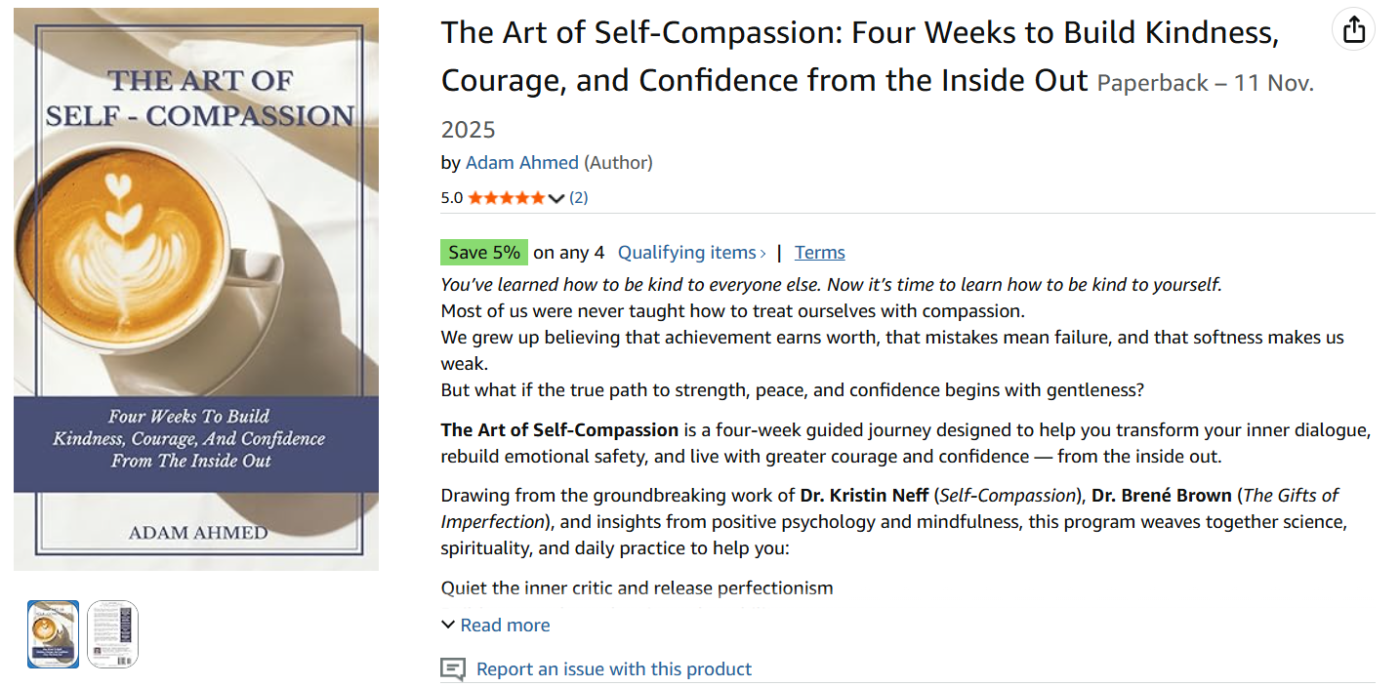
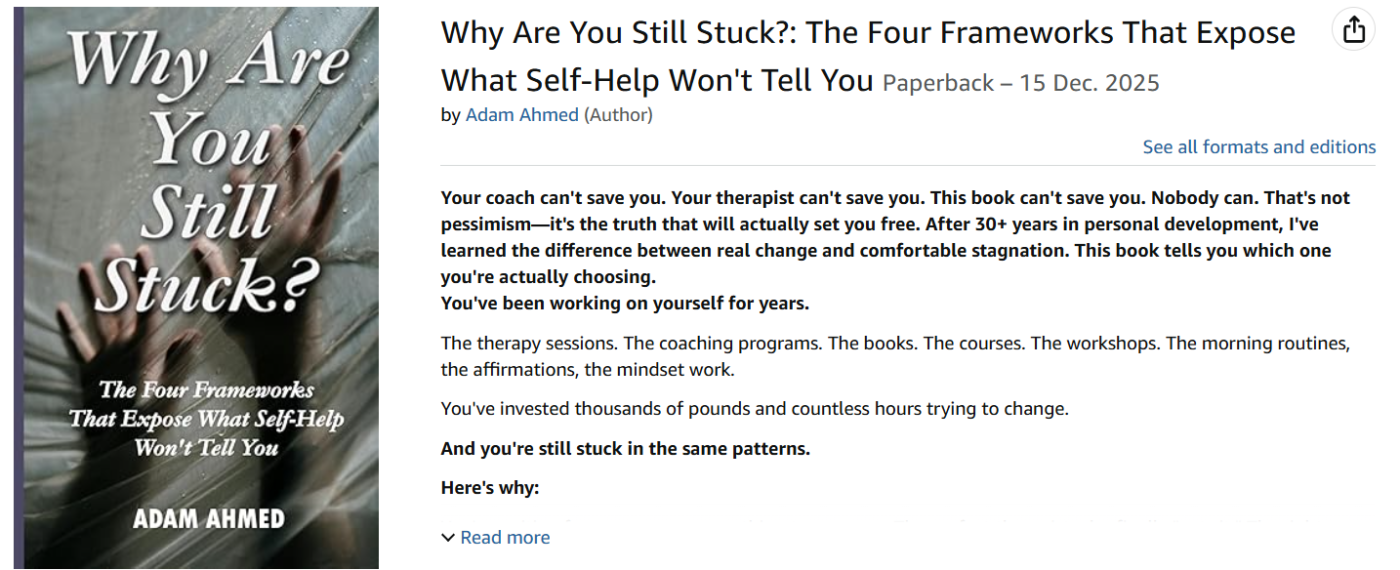
That second book goes into the false promises of quick results often sold in self-help.
Real change is usually a long-term effort.
Moving Forward Slowly and Sustainably
If you can attend the Saturday or Tuesday sessions, you’re welcome.
There’s also a WhatsApp group — a community where I share information and support.
I’m preparing for the new year by:
- Building my strengths
- Building my resources
- Getting ready to go again
There’s no expectation of quick results.
This is about:
A long, slow, steady, sustainable effort over time — even if it’s just a few steps forward.
That’s my share for today.
I hope you get something from it. I’ll share again as we approach the end of the year and move into the new one.
Take care.
Bye.
https://linktr.ee/adamahmedcoaching