
Avoidance - Program
Module 4: Building a Sustainable Practice – Additional Notes (AUDIO and TRANSCRIPT)
Module 4: Building a Sustainable Practice. Workshop Outline
Workshop Transcript:
Recording and Sharing Process
Last week, I recorded all the parts of the actual workshop seminar that we have here, and then I took it back and I put it all together, and I shared it on my website as a single audio.
However, what I’ve done right now, and I think this might be beneficial for people who can’t attend this, is that the small segments that I’m recording as I’m presenting, I’m sharing the link on the all open group. Not only will it have the audio recording on there, but it will also have the transcript on there, because it transcribes everything I’m saying.
So you won’t have to wait until later when I update this onto the actual website. If you want to go back over some of the material I’m sharing right now, it’s recording, it’s transcribing, and then I’ll share the link every time we have a small break in between.
Introduction: Your Capacity for Change
Let’s pick this up. Thank you all for sharing your information on those first three questions. Let’s have a look at understanding sustainability. As I mentioned, every one of you here, every person, is totally capable of taking action on something that they want to do.
The more you get involved in self-development and personal help, you realise that they categorise things in three main areas: health, wealth, and relationships. These are the three areas. I know there’s more, but these are the three areas that generally most people want to make some improvement on, because health is the foundation of everything. If we don’t have health, the amount of energy that goes on to just surviving, especially when they get into a critical situation, all other things become less important. The wealth is also important because it affects our mental health and so on. And relationships are foundational in every aspect.
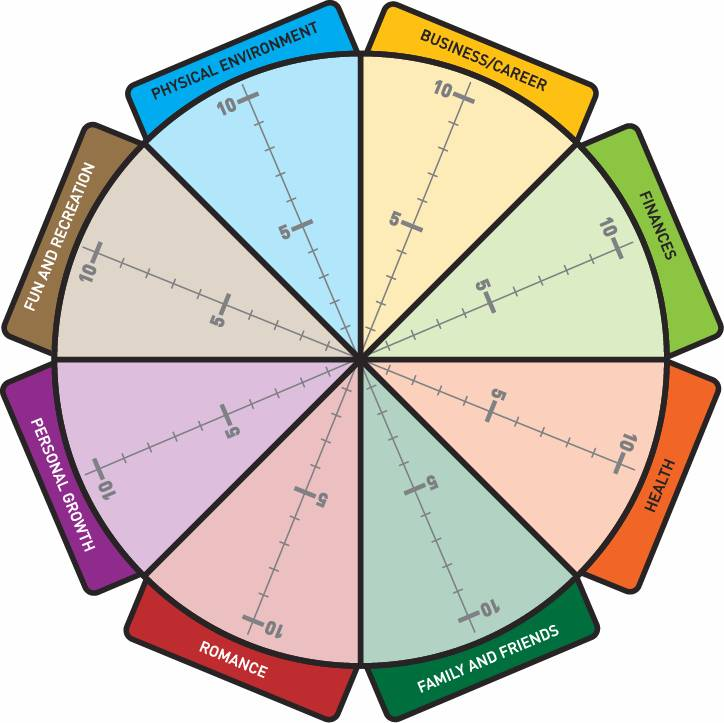
The Wheel of Life / Balance Wheel
The Psychology of Maintenance
Research shows that the majority of people who attempt to make behavioural changes, whether related to fitness, productivity or personal development, revert to old patterns within six to eight weeks, sometimes even less. Some people fall off after week one or week two, if you recall last week.
Intensity vs. Consistency

For those that didn’t see last week, I talked about the difference between intensity and consistency. Intensity is the level of focus and energy put towards a certain behaviour. A lot of people have a shiny penny syndrome, where they get constantly attracted to something novel, something new, and they go all guns blazing into it, and they utilise all that energy up in the first few days, first few weeks. Then energy drops off week two and week three, and they’ve got no energy to even maintain anything.
Whereas what happens with consistency is that it manages that initial novelty and curiosity, and what it does is it sets almost like a speed limit. Instead of—for those that are driving—instead of going naught to 100, hitting traffic and then going back down to naught and then finding it difficult to get started again, it tries to find a nice cruising speed where you can maintain that over a period of time. You’re not burning out your engine, you’re not burning the fuel, you’re not causing damage to the car, you’re not causing damage to yourself. And what we refer to this as is momentum.
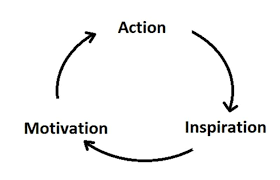
Understanding Momentum
Momentum carries us through what we’re going to refer to later, which is the dip. Momentum is to the point where the pain of not doing it, because you’re so ingrained at doing it, is carrying you through.
So motivation is emotional. Have a look at that question I asked you at the beginning: what’s your mood? What’s your state today? A lot of people don’t really ask themselves that. They react to their emotions. They react to their mood without actually pausing and thinking, what’s the label that I’m giving to this? That’s why I gave you that exercise at the moment to do a stop check. Where am I right now? What am I experiencing?
Motivation vs. Momentum
Motivation is emotional. It’s the initial spark that gets you started, but it’s unreliable. It comes and goes.
Momentum is structural. Momentum is when you’ve time-blocked, you’ve prioritised, you’ve made something non-negotiable. You said this is so important to me that I’m going to make sure I continue doing it. What keeps you going after the emotion has faded? You want certain behaviours to be independent of your mood, emotion and state. When you make behaviours independent of mood, emotion and state, then you start taking on more things that you’re capable of doing.
Sustainable Practice
And this is the real keyword: sustainable. It’s not about feeling inspired every day. We covered this, the mundanity of excellence. A lot of the things are boring. They’re frustrating. You look at the task and you think, I don’t want to do this, but you still do it. You show up.
So it’s about designing systems—mental systems, thinking patterns, environmental systems—that make showing up easier than not showing up. Again, from Atomic Habits: we don’t rise to the level of our goals, we fall to the level of our systems. It doesn’t matter how big your goals are, if your systems don’t support that, sooner or later, it will fall apart. If you don’t fill up the fuel in your car, and it runs out, you’re not going to drive anywhere. If you don’t check the tire pressures, check the oil levels, sooner or later, there’s going to be some sort of damage. Maintaining systems is an important part of momentum and moving towards the things that we want.
Levels of Pursuit
Have a look at this here, which I found online. A lazy man pursues something for a day. They get motivated, they get inspired, they do it for the day, they feel good. Next day, something new and exciting takes over. A motivated man pursues it for a week. They can keep on going for a week. A disciplined man, disciplined person, disciplined woman pursues it until it’s completed.
The real secret of success is learning how to continually start until you don’t have to start again. Does that make sense? Learning how to continuously start, especially on certain tasks, so that there comes a day that that task is completed and you don’t have to start again. Certain things like health, that never stops. It’s a continuous journey. But some of the things, like work tasks, stuff like that, you keep on at it until it’s finished.
Stop letting comfort and emotions ruin your potential.
“We don’t rise to the level of our goals, we fall to the level of our systems.”
— James Clear, Atomic Habits (2018)

Learning How to Learn
With each one of these, learn how to notate your notes. Learn how to use stars, bullet points, circles, underlining, so that when there’s a word or a phrase or something that really resonates with where you are right now, when you look at your notes, it jumps out at you.
A lot of what we’re learning in workshops isn’t just content and information. It’s learning how to learn, learning how we learn, learning what resonates with us. That’s why actual workshops are so much more powerful than actually online, because the lessons resonate much further beyond than what we’ve actually done here.
The Three Pillars of Sustainable Growth
So this is built upon pillars. To move from short-term change to long-term identity, which is ultimately what we want, you need to anchor your growth in three interconnected pillars. They all are interconnected.
Pillar 1: Structure
Structure, routines, rituals and visible systems that cue action.
They did a survey at a tech company in America, where, when they started the tech company, they used to give out free M&M’s in a jar, and they realised people were eating the M&M’s a lot, and they were constantly having to fill the jar. What they did is they wanted to reduce people having sugary content. So all they did is they put a lid on the jar and they put it in the cupboard. Now the accessibility to the M&M’s was still there. They were still there, but by introducing a resistance to that, by putting a lid on the jar and putting it in the cupboard, the individuals had to take an extra step to access the M&Ms. So it was no longer automatic. It was no longer unconscious, walking past and picking it up. The structure and the systems of having access to the M&Ms changed.
Now another way would be to actually eliminate all the M&M’s. So let’s say that someone wants to change their health. Which do you think is going to be easier for an unconscious behaviour? Having your biscuits out on the table in front of you all the time, people are going to pick it up, whereas if you had them in a shelf, it would change your structure and systems that you access. And if you changed it altogether and put fruit there, you’re more likely to eat fruit.
Making Beneficial Actions Easier
All these things in Atomic Habits, what he refers to is that you want to make the things that benefit you easier to do, and you want to remove resistance. And the things that don’t benefit you, you want to make harder.
If you want to increase the amount of time you go to the gym, what you do is you prepare your gym clothes, you prepare your trainers, you make them accessible. You put them in a car, in a gym bag. You have your gym membership ready. So all these resistance points are minimised. You make it easy for you. Pick a gym that’s easy to get to, rather than having to drive two or three miles.
Have a backup activity. If you set yourself you’re going to the gym, but you don’t go, have an insurance activity. Say, I can’t make it to the gym, I don’t want to go to the gym, but I’m going to do a 10-minute walk instead. Insurance activity is still movement. In relationships, rather than thinking, I’m going to have a 30-minute conversation, send a text message of appreciation or a check-in.
There are so many things that we can do to build structure, routines and rituals and visible systems that cue action. A lot of the time we want to set up things in advance of when we’re ready to do them, so that when the time comes to do them, we don’t then have to prepare to do it.
Pillar 2: Support
The biggest realisation that’s come out of Covid and even beyond that is the importance of connection and community. Unfortunately, what’s happened—I say unfortunately because it is changing—since 1998, 2000, when Facebook, MySpace has really blown up and people thought that it’s going to be a life changer for our social interactions, a lot of people realise that it creates opportunity for connection, but it also is detrimental to it, because we use it as a dopamine hit, as a substitute for real world, in-person connection.
The amount of information I’m getting from each one of you, even without you speaking, but just being in my circle and being present, is way much more than if I spend reading an hour of someone’s Facebook posts. It’s what’s called a rich experience. We’ve replaced rich in-person experiences with what I refer to as junk connections. It’s the equivalent of McDonald’s for our real, intimate connection needs.
Building Community
Support—what we’re trying to create with what we’re doing here with the coaching and mentoring—it’s not just about information. Everything I’m sharing is available online. You can go on YouTube, you can go on a podcast. The information I’m sharing is not special or unique, but when you’re involved in a community of like-minded individuals and you have an opportunity to share, it is what makes it more powerful, and that’s what we’re trying to create more of. And the new four-week programme on self-compassion, self-kindness will be one that really builds that up.
All these things contribute to self-concept, how we view ourselves, what our self-esteem is, what our self-worth is, what we think we’re capable of doing and achieving. And having groups like this that support us sometimes helps us break through and holds up a mirror to what’s good about ourselves and encourages us to go for more.
Pillar 3: An Evolving Identity
An evolving identity that integrates action into who you are, not just what you do.
These three pillars prevent regression by addressing the psychological and emotional needs that drive avoidance. Avoidance comes out of fear, fatigue and isolation.
Understanding Avoidance: Isolation
Isolation is the big one. Notice that when you’ve had a good conversation with someone, how much more inspired and motivated you are to do something and take something on, rather than facing the task that you’re avoiding yourself. Sometimes checking in with someone and calling someone and saying, look, I’m avoiding this, I just want to have a quick chat about it, and sharing it can help you get back to doing the task, because you’ve shared it with someone, you’ve relieved that stress, and now you’re ready to take it on.
Understanding Avoidance: Fatigue
Fatigue, especially for females, is a big one. A lot of it’s to do with people-pleasing, putting others’ needs first instead of your own. Big issues with fatigue, constantly feeling overwhelmed that you’ve got so much to manage and so much to do. One of the things that we’re going to look at in the next four-week programme is prioritising your own needs right at the beginning of the day, through yourself and especially spirituality. Spirituality is a good grounding anchor for a lot of people that they feel that they fulfil their own needs.
Understanding Avoidance: Fear
Fear is another one. There’s a lot of studies that men do not understand the fear that women go through because it’s constant all the time, whereas for men, it’s more located to incidences.
Exercise: Exploring Your Three Pillars
Questions for you right now. Out of those three areas—because we’re using these areas just as lessons and learnings—whether it’s health, wealth, which is money, career or stuff like that, or relationships:
- Pick one category (health, wealth, or relationships)
- Structure: Write down:
- One routine, ritual or system that you already have in place that supports you towards a better lifestyle
- One routine, ritual or something that is detrimental to you
- Support: Write down:
- A person that’s supportive of what you’re trying to do and achieve
- A person that’s detrimental
- Self-Concept: Write down:
- One thought about yourself that supports you in a positive way
- One thought of something that creates fear or limits you
Now the thing is, some of these people that are detrimental to your goal could actually be loved ones. We don’t realise sometimes how family and friends and loved ones, they project and transfer their own fears and limitations onto us, either through the past or through the present. And we have to learn how to still have love and care for those people but protect ourselves from their projection and transference of their limiting beliefs.
Projecting Fears as Concern
Sometimes they project it as a way of having concern for us, that they don’t want us to be disappointed. So when you want to go for something, they instil their fears because they’re thinking that we as individuals will not be able to handle the disappointment if we don’t want to go for it. But the bigger disappointment is to not actually go for the thing that we want to go for, because that’s going to lead to regret.
Sometime in the future, we will regret more of the things that we haven’t done than we’ll regret the outcomes that we did do and we failed at, because at least we tried. Does that make sense?
The Power of Personal Application
So uncovering this is where the workshop—this is where doing the exercises changes it from information to actually you putting on the muscles and the skin onto the skeleton. It’s where you’re bringing your life experience into it.
SECTION SUMMARY
The Psychology of Maintenance
- Most people revert to old habits within 6–8 weeks of attempting behavioural change; some fall off within 1–2 weeks.
Intensity vs. Consistency
- Intensity: High energy and focus initially (novelty-driven), often burns out quickly.
- Consistency: Sets a sustainable pace (like a speed limit) that can be maintained over time, avoiding burnout.
- Consistency builds momentum, allowing longer-term engagement without exhausting energy.
Understanding Momentum
- Momentum carries you through the “dip” — the challenging phase when initial motivation fades.
- Momentum is structural, relying on systems, habits, and routines, rather than fluctuating emotions.
Motivation vs. Momentum
- Motivation: Emotional, unreliable, comes and goes.
- Momentum: Structural, deliberate, independent of mood or emotional state.
- Sustainable behaviours are achieved when action is independent of emotion.
Sustainable Practice
- Sustainable change is about showing up even when tasks are mundane or frustrating.
- Systems matter more than goals: well-designed systems make consistent action easier than skipping it.
- Example: Like maintaining a car (fuel, oil, tire pressure) — systems prevent failure over time.
Levels of Pursuit
- Lazy person: Pursues a task for a day, moves on quickly.
- Motivated person: Pursues a task for a week, but energy fades.
- Disciplined person: Pursues until task is completed, continuously starting until completion.
- Key: Keep starting consistently until habits or tasks become integrated or finished.
Stop Letting Comfort and Emotions Limit Potential
- Comfort and mood can sabotage long-term success; discipline and momentum overcome this.
Learning How to Learn
- Use note-taking techniques: stars, bullets, circles, underlining to highlight important insights.
- Workshops are effective because they teach how to learn, not just content.
- Recognize what resonates with you personally to reinforce learning.
Three Pillars of Sustainable Growth
- Goal: Move from short-term change to long-term identity by anchoring growth in three interconnected pillars.
Pillar 1: Structure
- Create routines, rituals, and visible systems that cue action.
- Example: Placing M&Ms in a cupboard with a lid adds resistance; making healthy options visible encourages better habits.
- Make beneficial actions easier, remove resistance, and make harmful actions harder.
- Prepare in advance: gym clothes, gym membership, backup activities (e.g., a 10-minute walk if skipping the gym).
- Systems reduce friction and make consistent action automatic.
Pillar 2: Support
- Connection and community are crucial for growth; real-world, in-person connections are richer than online “junk connections.”
- Being part of a supportive group amplifies learning, self-esteem, and motivation.
- Support helps overcome isolation and encourages action through accountability and shared experiences.
- Self-concept and self-worth are strengthened by community engagement.
Pillar 3: Evolving Identity
- Growth is integrated into who you are, not just what you do.
- Prevents regression by addressing psychological/emotional needs that drive avoidance:
- Isolation: Sharing tasks and challenges with others reduces stress and inspires action.
- Fatigue: Prioritise self-care and personal needs, including spiritual grounding.
- Fear: Recognise and navigate fears, especially those projected by others.
Exercise: Exploring Your Three Pillars
- Pick a category (health, wealth, relationships) and reflect on:
Structure: supportive vs. detrimental routines/rituals
Support: supportive vs. detrimental people
Self-concept: empowering vs. limiting thoughts - Recognise that loved ones may project their fears and limitations.
- Key principle: Regret comes more from not trying than from failing; action matters more than fear.
Part 2: The Emotional Life Cycle of Change
We’re going to continue with part two now of module four, the emotional life cycle of change. So I mentioned this earlier on in the introduction. If you scroll down and have a look at the graph, what generally tends to happen is that when people start on any sort of change, they have this initial sense of motivation and inspiration, because it’s novel.
The Psychology of Starting
What happens psychologically? I’m not saying this happens to everyone, but before we start the journey of change, we imagine the end results that we want, the rewards that we’re going to get. And again, in health, it could be that you’re a couple of stones lighter. You imagine it, and you think about how much life is going to be better, the clothes that you can wear, the activities that you can do, and all this releases dopamine at the beginning. It’s almost like you’ve got the reward of the thing before you even started. And it releases adrenaline and it releases excitement that you want to start on this journey because you’re imagining the thing that you actually want to get and achieve at the beginning.
So this is right at the start of the journey. We start with motivation and inspiration. Start on this journey. Now what happens is that initial spark, that initial energy, drives us forward to take action, because we’ve got that image of the result that we want to achieve at the end, it gets us started.
“Change isn’t difficult because of what it adds. It’s difficult because of what it threatens to remove — our familiar sense of self.” — Dr. Lisa Lahey, Immunity to Change (2009)

Entering the Grind
But then when we get started, and we get over that initial starting point of achieving something, what then happens is we get into the grind of the activity. We get into the grind of what actually needs to get done. And then what happens in a short while, we lose sight of the end result of what we want to achieve, and our mind gets filled up with the task that we actually have to do.
Now, when we start thinking about task, we go into cortisol. It really is a stress chemical, and because we’ve lost sight of what we actually want to do, and we realise that actually to get from where we are to where we want to get to is going to take quite a lot of effort over a large period of time, what happens? We start focusing on the task itself, it releases cortisol, and then we start avoiding the task. We seek comfort behaviours, and this is what the avoidance is really about, because we’ve lost sight of the long-term goal when we’re focusing on the short-term pain that’s come with doing the task. Does that make sense?
Understanding the Dip
And that’s when the dip occurs. You start on the journey towards the path, there’s a lot of reward. After a while, the reward versus effort is reduced. This is the dip. This is the challenging point. This is where people fall off on a programme. This is when they seek a new project.
Have you ever come across people who are constantly starting something new? They’re starting a new project, a new business. It’s because they’re excited by the rewards that they’re going to get. It gets them motivated, inspired. But then as soon as they get started, they don’t know how to handle the cortisol. They don’t know how to handle the dip in between and get past that.
Getting Through the Dip
The people who succeed, who recognise that actually what’s going to happen is, I’m going to expect this. I’m going to expect that there’s going to be moments of stress. I’m going to expect that there’s going to be cortisol. I’m going to expect that my mood is not going to be right there, but I’m going to remind myself of what my ultimate goal is, what I’m trying to achieve, and I’m going to adjust and adapt to make sure I stay on that path to get past that dip.
And once you condition yourself to continue taking action, regardless of how you feel, you get past it, and you push through when appropriate, it will eventually be highly rewarded. And this is what the difference is.
The Predictable Curve
So every transformation follows a predictable curve. Excitement, that initial rush of clarity and purpose, especially when it’s done in a group. Notice this with classrooms. It happens in education. How many people start courses and there’s 30 people on the course, 10 people on a course, 15 people on a course. Week two or three, one person drops off, then another person drops off. The amount of people that actually complete courses is very low, and that’s because resistance comes in, reality sets in, novelty phase, that initial excitement of the reward, because people starting the journey actually realise this is a long journey, and they seek other behaviours.
The Adjustment Phase
Now it’s the adjustment. It’s when you experiment with consistency. We’ve talked about it in the past, three levels of action:
- The standard level – Keeps you on the path towards moving towards the result that you want
- A baseline level – When it gets hard, you can adjust and adapt downwards so you protect yourself. This is what I refer to as your safety net behaviour. Safety net behaviours to make sure you still stay on the path, and you don’t get distracted with a new path, you don’t detour and find yourself in a totally different situation
- The stretch – There’s periods of time when your mood’s good and everything’s going well, and you actually push in and bank extra gains. You may do an extra hour’s worth of work. You might do an extra 10 minutes at the gym. You do something that gets you closer
So adjusting from your standard to account for the dips with your baseline and when it’s going well to go for your stretch helps keep you on that.
Levels of Action
| Level | Purpose | Typical Examples | Application |
|---|---|---|---|
| Standard | Core path to results; minimum consistent action required to stay on track | Daily 30-min workout, £50 savings per week, weekly date night | Keep yourself moving forward consistently; the foundation of success |
| Baseline | Safety net during dips; allows adaptation without derailing progress | 15-min workout if tired, £20 savings if finances are tight, shorter check-in call instead of full date | Prevents drop-off; ensures progress even under low motivation or life challenges |
| Stretch | Capitalize on high-energy periods; accelerate growth | Extra hour at gym, £100 savings, special weekend activity with partner | Exploit favorable conditions to push further; builds momentum and compound gains |
Implementation Steps
- Identify Key Targets – Decide the core areas to improve (health, wealth, relationships).
- Define Your Standard – What is the minimum effective effort required to move forward?
- Set Your Baseline – Determine a “safe” lower boundary that keeps you on track even on tough days.
- Define Your Stretch – Choose achievable but ambitious targets for high-energy days.
- Track & Adjust – Use weekly or daily check-ins to measure performance and adapt targets.
- Cycle Through Phases – Recognize excitement, resistance, and adjustment phases; apply baseline and stretch as needed to maintain progress.
The Critical Juncture
The critical juncture is between resistance and adjustment. This is when most people quit. The dip is when your brain realises that the dopamine rewards of novelty are gone and you must now rely on discipline, structure and meaning to continue. We’ve covered this. Support networks help massively with this.
Avoidance is a natural temptation during this phase. It offers instant relief from discomfort, but this is also where the deepest identity work happens. Avoidance is rewarded in privacy. So when people are in private, that’s when avoidance is most likely to happen. Notice how many people hide, shy away, stop posting when things are not going well.
The Role of Emotional Endurance
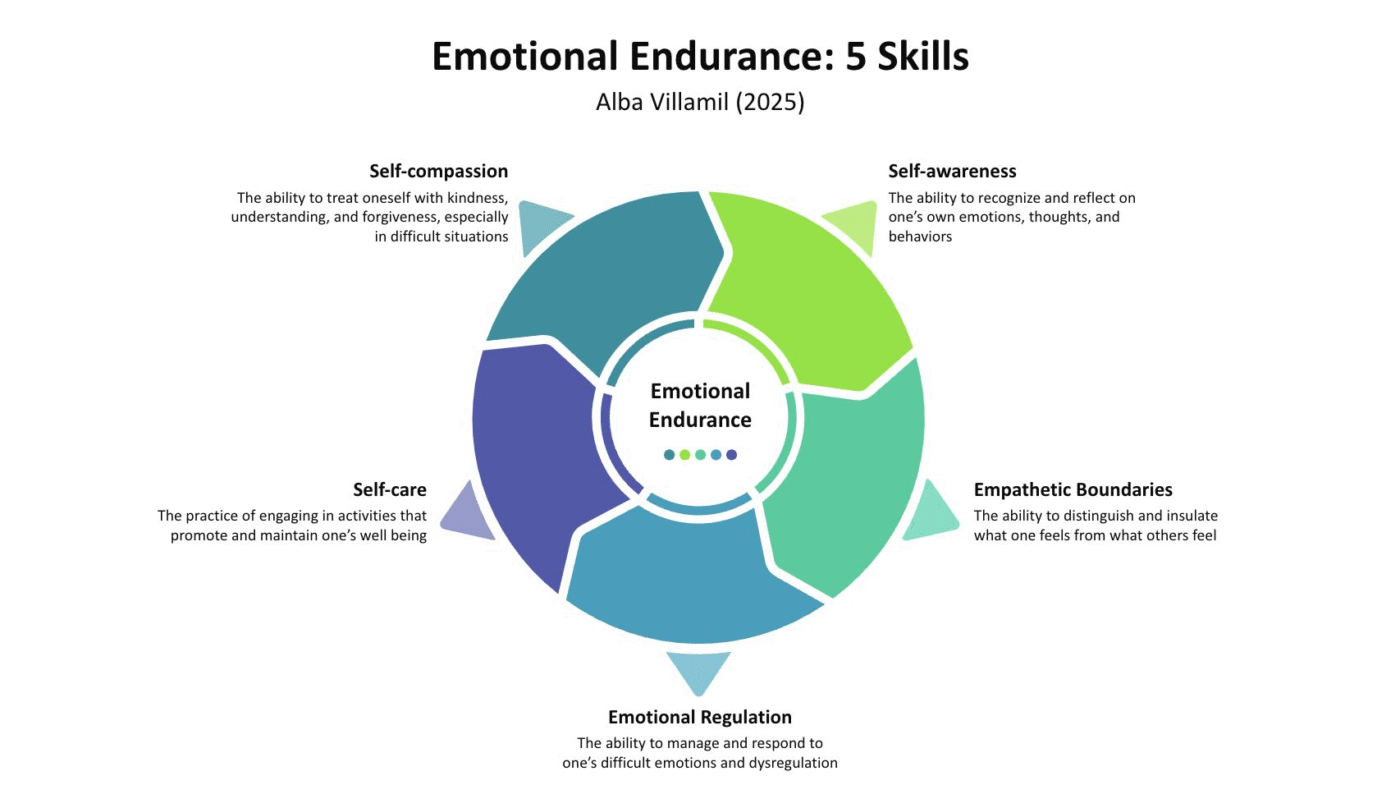
We’re going to go on to the role of emotional endurance, learning about our moods, learning about our emotions, learning about our states, when we best operate, when we don’t operate at our best.
What is Emotional Endurance?
So building sustainability requires what psychologists call emotional endurance, the capacity to remain in contact with discomfort without shutting down or withdrawing.
Now discomfort, let’s say it falls into two categories:
- Discomfort that we have no control or choice over – It’s put on by circumstances, condition, environment and stuff like that
- Discomfort that we can choose – When we have goals, when we have things we want to work on, that is a conscious choice, that discomfort will be part of that journey to get the thing that we want
It’s a conscious choice. It should be welcomed. Frustration, anxiety, worry are part of the process of working on something because you’ve consciously chosen something that you’re going to direct your energy and attention towards. And discomfort should be welcomed because it builds your character.
The Reward of Working Through Discomfort
When you work through it, you are massively rewarded. Every time discomfort shows up on an area you want to work on, and you work through it, the dopamine that’s released after successfully completing a task that you’ve been avoiding beats anything else. We don’t get rewarded when things are easy. We get rewarded when some things are hard and we actually accomplish them.
Not Willpower, But Emotional Literacy
So this is not willpower. It’s emotional literacy. You learn to sit with frustration without quitting. It’s changing the relationship with frustration, it’s changing the relationship with what people call negative emotions. I’m not one of those people who believe you need to get yourself into a positive state to do something, because if you wait to get to a positive state to take action, it’s unreliable. If you learn how to deal with frustration and still do the thing, that’s what really builds your character and identity.
Holding boredom without seeking novelty. Common, even for me, I have to admit it, in private, social media browsing, Instagram, TikTok, Facebook, news articles, feeling that you’re connected with the world, what’s happening. These are really because we cannot sit in silence with ourselves and hold boredom.
Tolerating uncertainty without distraction. Our mind is looking for safety and security, and it seeks safety and security through certainty of where we are right now and what’s about to happen. Anytime we’re in uncertainty, it can lead to states of insecurity.
Acts of Self-Trust
Each of these is an act of self-trust. This is where it goes with that identity. The more we learn to trust ourselves in these emotional states that can feel uncomfortable and still do the thing that’s important, the more we achieve and the more we get done. So the more often you practice, the more naturally you move from reactive avoidance to proactive engagement. It’s conscious choices.
Five Skills of Emotional Endurance
Now there’s an image here, emotional endurance of five skills. I’m not going to go over it too much because of time limits, but it mentions:
- Self-awareness
- Empathetic boundaries
- Emotional regulation
- Self-care
- Self-compassion
And I’ve already said on the next four-week programme, we’re going to focus on self-compassion and self-care, because it contributes to boundaries as well.
Checking Understanding of the Dip
Rather than taking a break, we’re going to go straight into Part Three as well in this section here. So we’ve talked about the dip. Just to give me a visual understanding with your hand. Do you have a basic understanding what the dip is? Have you experienced a dip before, on something you’ve done? Were you aware of dips before the way that we’ve described it now? Has it added to your understanding that it’s going to occur? It’s not something that can be avoided.
Preparing for the Dip
So here’s the thing, which is better: to expect the dip and not for it to occur, or to not expect the dip and not be prepared for it and then it happens? Which person do you think is more likely to succeed? The one that’s prepared for it, has an insurance policy in place, is expecting it, knowing it’s going to occur. They put safety nets in place, put support structures in place, and then not having to need it, compared to the one that hasn’t got it.
So insurance policies: you’ve insured your house against fire. A fire occurs, you’re protected. You haven’t insured yourself over here because you think it’s not going to happen. Fire occurs, everything burns down. Can you see how expecting bad things to happen and putting things in place is not coming from a negative place, but actually coming from a place of reassurance that you’ll be able to get through it if it occurs? It sets you up for the future.
The Weather Analogy
We know autumn or winter’s coming. Here, they say the weather’s not the problem, it’s a lack of preparation for the weather. I’m very slow to adjust when seasons change. I still go out in my spring summer clothes, and it starts getting cold, and I’m thinking, why am I feeling cold? It’s not the weather. We knew the season was coming. It’s because I haven’t got my clothes out ready for that season. So the same thing. When we’re working on things, it’s the same.
Part Two Summary: The Emotional Life Cycle of Change
The Change Curve:
- Initial Motivation – Dopamine and excitement from imagining end results
- The Grind – Task focus replaces goal focus, cortisol increases
- The Dip – Reward versus effort decreases, people often quit here
- Adjustment – Those who succeed expect and prepare for the dip
- Reward – Push through and eventually be highly rewarded
Three Levels of Action:
- Standard level – maintains progress
- Baseline level – safety net when things get hard
- Stretch level – bank extra gains when conditions are good
Emotional Endurance Skills:
- Self-awareness
- Empathetic boundaries
- Emotional regulation
- Self-care
- Self-compassion
Key Insights:
- Avoidance happens in privacy
- Discomfort should be welcomed as character-building
- Emotional literacy is more important than willpower
- Preparing for the dip is reassurance, not negativity
Additional Summary Notes
Initial Motivation:
- Change starts with excitement and motivation due to novelty and imagining desired rewards.
- Dopamine and adrenaline are released as the brain anticipates the outcome.
Entering the Grind:
- After starting, focus shifts from end results to actual tasks.
- Cortisol (stress) rises as effort feels high and immediate rewards are low.
- Leads to avoidance behaviours and seeking comfort.
The Dip:
- A natural challenging phase where reward vs. effort decreases.
- Many quit or start new projects to escape the stress of the grind.
- Recognising and expecting the dip is critical for success.
Getting Through the Dip:
- Success comes from discipline, structure, and meaning, not just initial motivation.
- Continuing action despite mood or discomfort strengthens momentum and identity.
The Predictable Curve:
- Transformation follows a pattern: novelty → grind → dip → adjustment → reward.
- Dropout rates are high because people are unprepared for the dip.
Adjustment Phase:
- Use three levels of action:
- Standard level: Maintain steady progress.
- Baseline/safety net: Reduce intensity during dips to stay on track.
- Stretch: Push further when conditions/mood allow for extra gains.
Emotional Endurance:
- Ability to stay in contact with discomfort without withdrawing.
- Discomfort comes in two forms:
- Uncontrollable: Circumstances/environment.
- Chosen: Part of pursuing goals.
- Frustration, boredom, uncertainty are normal; working through them builds character.
Reward of Working Through Discomfort:
- Real growth and dopamine rewards occur after successfully facing challenges.
- Not willpower—emotional literacy: managing frustration and negative emotions effectively.
Key Skills for Emotional Endurance:
- Self-awareness
- Empathetic boundaries
- Emotional regulation
- Self-care
- Self-compassion
Preparation for the Dip:
- Expect the dip; have insurance policies and support systems in place.
- Being prepared increases likelihood of success and reduces stress.
- Analogy: Prepare for seasons/weather—same principle applies to change.
Part 3: From Action to Identity
Let’s move on to part three: from action to identity. We’re going to start taking this to an identity-based change. Modules one to three focused on what to do. Now we turn to who you’re becoming. This is the most powerful area when you start taking things to an identity level.
Avoidance thrives when your actions are inconsistent with your identity. If you see yourself as someone who struggles to finish things, your brain unconsciously seeks to confirm that story. Sustainable change comes from shifting the self-concept.

Building Identity Through Action, Not Goals
One of the best ways to shift your identity is not based on whether you’re achieving results or goals. If you measure yourself on your success of accomplishing goals, you’re missing the identity that can be built on dealing with discomfort in the moment.
If you build your identity on the basis that goals are there for you to design your systems and structures and support, but your identity is built on taking the action that’s necessary in the moment, that builds more power. It means that every time you take action towards something that’s important to you, you are investing in your identity. You’re saying to yourself: I’m worthy. I’m capable. I can manage this. I can deal with it. I will take the next step.
Every one of you has taken major life changes somewhere along the line, whether in a relationship or work or career. When you focus on those moments of decision followed by action, it builds that identity that you can make a difference in your own life. This is totally different from when we focus on goals and accomplishments and think “I haven’t achieved that, I haven’t done this, I failed at that.” That diminishes our identity. But when we focus on actions we’ve completed, it builds up our identity.
The Power of “Becoming”
Instead of saying “I’m trying to stop avoiding things,” say “I’m becoming someone who shows up.” You’ve turned up for the workshop today. If you’re listening to this audio, you’re taking the time out to listen. Congratulate yourself. Reward yourself. Build that identity that you’re investing in yourself. When you invest in something, investments compound over time and give us greater returns.
This linguistic shift is powerful. It recodes your self-narrative. It changes you from a failure, which is black and white thinking, to a becoming, which is a process. It’s a verb. It’s something that’s continuing, that you’re doing all the time.
Intrinsic vs. Extrinsic Motivation
Identity-based habits work because they engage intrinsic motivation. Intrinsic motivation comes from within. Extrinsic motivation comes from outside. When things come from inside ourselves, especially when they’re on an identity level, they are very powerful. Actions that align with your sense of self are more powerful than external outcomes.
There’s an image showing the layers of behavioral change. You’ll find this in most habit books, in NLP, Neuro-Linguistic Programming, CBT. Whenever someone’s identity is damaged or is not helpful in any way, it’s very difficult to get a person to change because it’s not who they are. When you change how you see yourself, behaviors become a byproduct of your identity.
Identity and Language: Examples from Health, Wealth, and Relationships
This is one of the challenges, and I refer back to this with health. I don’t like the concept of people losing weight. The reason being is that when people say they’re going to lose weight, they have the image of themselves as they are right now, trying to get somewhere else. When they lose weight, their initial self-concept is still someone who’s overweight. That’s what they’ve said: “I need to lose weight, I need to lose weight, I need to lose weight.” When someone repeats that all the time, their whole concept of themselves is a person who’s overweight.
Subtle changes to language and linguistics shift this. “I need to release the weight that I’m carrying and let go of it.” Have a look at how that identity changes. It’s now not a person who’s overweight because of identity, but a person who’s holding on to something that’s no longer needed. They can release it. They can let go of it and go back to something different. It becomes the internal image of someone who’s slim, healthy, whatever. The weight is just something very much like a coat that they’re wearing. The seasons change to summer, and they realize “I don’t need to wear this anymore. I can let go of it. I can put it away.”
Letting go of clothes from the wardrobe that no longer fit and making sure you have clothes in your wardrobe that align with your identity is very powerful because it’s saying “I’m letting go of that person. I’m no longer that person. It was a temporary situation.” Building identity is one of the hardest things with health.
The same thing applies with wealth. There are plenty of studies showing people who’ve won millions overnight have lost it in a very short period of time because their identity didn’t match their financial circumstances and situation. They didn’t know how to handle it well. They didn’t know what to do with it. It didn’t fit in line with who they were, and they go back to what felt comfortable.
Relationships are very dangerous when someone’s built up walls of protective measures and has been single so long and not had anyone in their life. If that identity builds up, even if the most wonderful person comes along, they can almost self-sabotage the thing because of the protective measures they’ve got and that they’ve become comfortable with. Changing identity is critical.
The Reinforcing Loop: Identity and Behavior
Your identity and behavior exist in a reinforcing loop. Your identity dictates your action, which then provides you with evidence. Confirmation bias says that we seek out things that already confirm what we believe and who we are, and that reinforces our identity. Even when there’s evidence that contradicts that, we’ll either eliminate it, not give attention to it, and we’ll only pay attention to things that reinforce who we already think we are.
Every time you take a small step towards action, you produce evidence that supports a new identity. Can you see what I was saying earlier? When you focus on discipline, structure, support systems, and taking action in the moment, it’s confirming the identity that’s supportive of everything that you can become and achieve. Over time, these small confirmations override old stories of avoidance.
Rewriting Your Story
Here’s the issue with a lot of people: imagine your life is a book. Every year when it’s our birthday, we start a new chapter. The problem is people are bringing stories from chapter 10, 11, 12—childhood, 15, 16—into chapter 30, 40, or 50. When you constantly start each chapter with your old stories, the story continues into that chapter.
When you take opportunities to actually say “You know what, that’s no longer going to be in this chapter,” and you don’t have to wait for your birthday, you can do it so many times. You can choose to start a new chapter or change your storyline at any time. The way that’s done is constantly providing yourself with evidence.
Seek Evidence That Supports Your New Identity
Here’s a key one: seek evidence that supports positive thoughts, positive actions, positive behaviors, positive habits, positive relationships, positive identity. Underline, circle: seek evidence. Reprogram your reticular activating system to contribute to everything that makes you feel good about yourself, that makes you take more action, that makes you take on more challenges.
I guarantee you, it’s not the lack of evidence. It’s what you’re choosing to pay attention to. This is why we always start off with gratitude for what we already have: sight, hearing, limbs, hands, heart, liver, kidneys. We start off with gratitude. We start off with what’s going well.
- What’s going well?
- What’s going well?
- What’s going well?
Ask it three times. Fill up your journal. Fill up your calendar. Fill up your jar with little notes of what’s going well in your relationship. Relationships diminish because we overly focus on what we don’t like about the other person rather than what they’re actually bringing to us and what they give us. There’s a term called “badge collecting” in relationships, where people make a note of everything bad the other person has done so they can bring it up later as a way to cause arguments, rather than focusing on the good badges.
Does that make sense regarding identity and behavior? You should focus on what you’re already doing well and notice how that changes your thoughts about who you are, where you are right now, and what you’re accomplishing.
Part Three Summary: From Action to Identity
Overview
- Modules 1-3 focused on what to do
- Part 3 focuses on who you’re becoming
- Identity-based change is the most powerful level
- Avoidance thrives when actions are inconsistent with identity
Building Identity Through Action, Not Goals
The Problem with Goal-Based Identity
- Measuring success by goal accomplishment misses the real power
- Focusing on “I haven’t achieved that” diminishes identity
- This creates a failure mindset (black and white thinking)
The Solution: Action-Based Identity
Build your identity on:
- Taking necessary action in the moment
- Dealing with discomfort
- Investing in yourself with each step
Every action towards something important tells yourself:
- I’m worthy
- I’m capable
- I can manage this
- I can deal with it
- I will take the next step
Key Principle
When you focus on completed actions rather than goals, you build identity. Every decision followed by action reinforces: “I can make a difference in my own life.”
The Power of “Becoming”
Language Shift
❌ Don’t say: “I’m trying to stop avoiding things”
✅ Do say: “I’m becoming someone who shows up”
Why This Works
- Changes you from a failure (fixed state) to becoming (ongoing process)
- It’s a verb—something continuous you’re doing all the time
- Recodes your self-narrative
- Investments compound over time for greater returns
Celebrate Small Wins
- You turned up for the workshop today
- You’re listening to this audio
- Congratulate yourself
- Reward yourself
- Build the identity: “I’m investing in myself”
Intrinsic vs. Extrinsic Motivation
Identity-Based Habits Engage Intrinsic Motivation
- Intrinsic motivation: Comes from within
- Extrinsic motivation: Comes from outside
- Actions aligned with your sense of self are most powerful
- When identity changes, behaviors become a byproduct
The Challenge
When someone’s identity is damaged or unhelpful, it’s very difficult to get them to change because “it’s not who they are.”
Identity and Language: Real-World Examples
Health: The Weight Loss Problem
Traditional approach (ineffective):
- “I need to lose weight” (repeated constantly)
- Creates identity: “I am someone who’s overweight”
- Self-concept remains stuck
Better approach (effective):
- “I need to release the weight I’m carrying and let go of it”
- Identity shifts: “I’m holding something that’s no longer needed”
- Internal image: someone slim and healthy
- Weight becomes like a coat you remove when seasons change
Practical action:
- Let go of clothes that no longer fit
- Fill wardrobe with clothes aligned with your new identity
- Message: “I’m letting go of that person—it was temporary”
Wealth: The Lottery Winner Effect
Studies show people who win millions overnight often lose it quickly because:
- Identity didn’t match financial circumstances
- Didn’t know how to handle wealth
- It didn’t align with who they were
- Returned to what felt comfortable
Relationships: Self-Sabotage Patterns
When someone has:
- Built protective walls
- Been single for a long time
- Strong independent identity
Even when the most wonderful person comes along, they may self-sabotage because:
- Protective measures are deeply ingrained
- They’ve become comfortable with their identity
- Change feels threatening
The Reinforcing Loop: Identity and Behavior
How It Works
- Identity dictates action
- Action provides evidence
- Confirmation bias seeks things that confirm beliefs
- Evidence reinforces identity
The Problem
- We eliminate or ignore contradicting evidence
- We only pay attention to things reinforcing who we think we are
- Old stories persist across time
The Solution
Every small step towards action produces evidence supporting a new identity.
When you focus on:
- Discipline
- Structure
- Support systems
- Taking action in the moment
You confirm an identity that supports everything you can become and achieve.
Rewriting Your Story
The Book of Life Metaphor
- Your life is a book
- Each birthday = new chapter
- The problem: People bring stories from chapters 10, 11, 12 (childhood, 15, 16) into chapters 30, 40, or 50
You Don’t Have to Wait
- You can start a new chapter anytime
- You can change your storyline whenever you choose
- Method: Constantly provide yourself with new evidence
Seek Evidence That Supports Your New Identity
Critical Practice: Reprogram Your Focus
Key principle: Seek evidence that supports:
- Positive thoughts
- Positive actions
- Positive behaviors
- Positive habits
- Positive relationships
- Positive identity
The Truth
It’s not a lack of evidence—it’s what you’re choosing to pay attention to.
Start with Gratitude
Begin with what you already have:
- Sight
- Hearing
- Limbs
- Hands
- Heart, liver, kidneys
Daily Practice: Three Questions
Ask yourself three times:
- What’s going well?
- What’s going well?
- What’s going well?
Implementation Ideas
- Fill up your journal
- Fill up your calendar
- Create a jar with notes of what’s going well
Application to Relationships
Why relationships diminish:
- We overly focus on what we don’t like about the other person
- We ignore what they bring to us and give us
“Badge collecting” (avoid this):
- Making notes of everything bad the other person has done
- Bringing it up later to cause arguments
Instead:
- Focus on the good badges
- Notice what they contribute
- Appreciate what they give you
Final Question
Does that make sense regarding identity and behavior?
Remember: Focus on what you’re already doing well and notice how that changes your thoughts about:
- Who you are
- Where you are right now
- What you’re accomplishing
Part Four: Building Accountability Systems
This will contribute massively to your progress. Let me explain why accountability works, because it’s widely misunderstood.
Why Accountability Works
A lot of people assume accountability is about consequences. They think accountability is someone kicking you up the arse and phoning you up, saying, “Why have you not done this? Why have you not done that? You said you were going to do this.” That’s not what accountability is about.
Accountability is about analysis and assessment of where you are right now. It transforms intention into behaviour. Think of accountability more as non-judgmental, total acceptance, sharing guidance and reflection.
The Power of Externalizing Your Intentions
When your commitment exists only in your mind, it remains abstract. If the only time that you have your intentions is in your head, they will weaken over time, because new thoughts will replace them. When you write them down, they become even more powerful. When you share them, they become even more powerful.
So the weakest type of accountability is intentions in your head. A more powerful accountability intention is written down in your journal. Even more powerful is publicly shared on Facebook or something like that. Even more powerful is shared in a group.
A Personal Example
Two weeks ago, on week two, I shared photos of my entrance and I shared two goals: that I wanted to laminate the entrance and to laminate my lounge. The day before yesterday, or was it yesterday, I shared that I completed my lounge because it was in my mind that I have a responsibility to the group and everyone around me to lead the way I would want others to follow.
I had that image that I cannot act against my own things that I’m teaching. I’ve shared I’m going to do my entrance, and that’s what kept me driven each time to do that hour, two hours, and get that entrance completed. The amount of satisfaction and pride I had to be able to share that I accomplished that, and I did that publicly, is giving me more energy to focus on what’s left remaining, which is the other room.
Can you see how the accountability is used in a positive way, not in a negative way to beat myself up?
Choosing the Right Social Space
When intentions exist in a social space, you have to pick the right social spaces. There are some people that if you share your goals with, for their own reasons, they will try and sabotage you. This normally comes because when you’re in social circles, there are some people who, when you progress, they will feel threatened by you progressing. It holds up a mirror to the excuses and the reasons they have for not achieving the same things.
Picking the right social circles is important. You want ones that are lifting everyone up, not people who get fearful that you’re progressing because they feel that the relationship will change if you move on. They lose that connection with you. They don’t know how to relate to you anymore because you’re moving away, onwards and upwards, and they’re left where they are. The easiest way for them to deal with that is to try and pull you back down, rather than lift themselves up alongside you.
So find the right social space. Share it with others. It becomes real.
Studies in behavioural psychology show that people are 65 to 75% more likely to follow through on an action when they report progress to another person. You only need one person who’s supportive and encouraging, and you’ll be surprised how much more you can achieve.
Forms of Accountability
There are several layers of accountability you can implement.
1. Peer Accountability (Horizontal)
This is a partner, a friend, or a group member at the same level. You might be working on the same goal or a different goal, but it’s a check-in at least once a week. Did you do what you say you were going to do, or what actually happened? From a curious point of view, not from a judgement. How are you? Is everything okay? Where are you right now?
In our attendees group, everyone checked in this week. There were a couple of people who didn’t check in, and they were nudged. Nudge is a very powerful word. You can write that word down: nudge, nudge psychology. You know, come on, I’m here for you. You’re not calling on me for my support. You’re not checking in with me. I’m here to support and encourage you. You said this is important for you. Use my text message. Use this group. Use me to help you towards the things that you want.
You’d be surprised how many people come back and say, “You know what? You sending me that message inspired me to get back onto it, inspired me to turn up again, inspired me to come. I am so grateful for it.” There are massive rewards in just checking in with someone and saying, “Do you need any help or support and encouragement with something?”
2. Public Accountability (Social)
I did this on my Facebook group. I posted a couple of weeks ago. Not that I needed validation, not that I needed recognition, not that I needed appreciation. However, it was welcomed when people gave a like to the post and said, “You know what? Well done. We like what you’ve done there,” and hopefully inspired someone else to do the same thing.
Post progress in the WhatsApp group. This is why we have an attendees group and we have an open group. The attendees group is for those people that actively want to get engaged and take part. We have people in the open group that are sharing, which is lovely to see as well. If you notice, a lot of people benefit from other people sharing.
Celebrate completion, not perfection. This is what it is: progress over perfection. Progress over perfection. Progress, progress, progress until you get to completion. A perfection mindset will always look at what didn’t go right. It could have done quicker. I could have done it in less time. It’ll always seek things, not from a bad point of view, but to try and get you to improve.
3. Internal Accountability (Reflective Journal)
I keep on saying this: a lot of people don’t know how to keep journals. They don’t know how to get started. They haven’t got into the habit or practice of writing. Start where you are right now. Prompts are very good.
Maintain a journal of commitments and outcomes that asks:
- What helped me show up this week?
- What hindered me?
I gave you those words earlier on: help and hinder.
4. Mentor or Coach Accountability (Vertical)
This is someone that, obviously, this is a role I play. I bring my years of experience, knowledge, and study so you don’t have to go and read the book, so you can actually live your life and take the goals and things that you want to do without going into hours and hours of study. That’s what I provide here. I provide you access to over 30 years of study so you don’t have to do it.
This is what you do with your accountability: you have to remind people that I’m here for you so you don’t have to read everything. Why would I want you spending 40 hours reading when you can spend 30 minutes doing the thing that’s actually going to give you benefit? You don’t need to know the theory. You don’t need to know the academic research. You don’t need to know who wrote this paper or that. The only thing you need to do is take action that’s going to move you forward towards the thing that you want.
When you get stuck, you call on me, and I will give you the piece of information that will get you over the next hurdle without you having to read a whole book. Can you see why I said I’ve included the bibliography? Not for you to go and read it, but just in case you know it’s validated where all this is coming from.
Engage with someone who’s got perspective and structure. Use their guidance to refine your system and mindset.
Summary
Main Themes
Understanding Accountability
- Accountability is not about punishment – it’s about non-judgmental analysis and assessment of where you are right now
- Transforms intention into behaviour through externalization and social commitment
- Creates positive reinforcement rather than negative pressure
The Accountability Hierarchy (Weakest to Strongest)
- Intentions kept in your head (weakest)
- Intentions written down in a journal
- Intentions publicly shared (e.g., social media)
- Intentions shared within a supportive group (strongest)
Key Principles
- Progress over perfection – celebrate completion, not flawless execution
- Choose the right social circles – surround yourself with people who lift you up, not those who feel threatened by your progress
- Statistics matter – people are 65-75% more likely to follow through when reporting progress to another person
The Four Forms of Accountability
1. Peer Accountability (Horizontal)
- Partner, friend, or group member at the same level
- Weekly check-ins from curiosity, not judgment
- Use “nudge psychology” to gently encourage participation
- Key questions: “Did you do what you said?” and “How are you right now?”
2. Public Accountability (Social)
- Share progress publicly (WhatsApp groups, Facebook, social media)
- Creates external motivation and inspires others
- Welcome validation and recognition as additional fuel
- Benefit from both giving and receiving encouragement
3. Internal Accountability (Reflective Journal)
- Maintain a journal of commitments and outcomes
- Start where you are – use prompts if needed
- Key reflective questions:
- What helped me show up this week?
- What hindered me?
4. Mentor/Coach Accountability (Vertical)
- Access to years of experience and expertise
- Saves time by providing targeted guidance instead of requiring extensive reading
- Focus on action, not theory
- Call on support when stuck to overcome specific hurdles
- Validation through research and bibliography provided for credibility
Action Steps
- Choose at least one form of accountability to implement
- Find or create a supportive social space for sharing progress
- Start a reflective journal with weekly help/hinder prompts
- Engage with a mentor or coach for structured guidance
- Remember: you only need one supportive person to significantly increase your success rate
Part Five: Weekly Reflection & Action Planning
We’re going to go straight on to part five because we’ve got 10 minutes. You’re going to go through exercise one. This practice reinforces continuity and gratitude.
Weekly Reflection Exercise
We’re going to do a weekly reflection. Ask yourself now—this is for the week coming. We’re going to try and set you up for the week coming.
What’s the area that you’re going to focus on this week? Now you can focus on more than one area. You can actually set up three areas. But because this is a practice of the exercise, I want you to just get into the habit of asking the questions.
Key Questions:
- What are you going to commit to this week?
- What systems and structure are you going to put in place? What are the things that are going to help you actually do the action?
- What resistance might I face? What resistance comes in? Either overwhelm, availability of time, energy, people—how can you put a safety net in place to protect yourself from that?
- What are any recent lessons that you’ve had over the last week or two that can help you prepare yourself for taking action?
Future Pacing
Then you’re going to write: “This week, I will show up by…” So we’re actually doing what’s called future pacing. We’re present pacing. So we’re in the present looking forward. What we’re then going to do is you’re going to imagine in the future, having done the task, looking back over it, and noticing how you’re going to feel doing that.
Take five minutes to do that.
Personal Avoidance Plan
Include your personal avoidance plan. So this is literally what I’ve just said here:
- Choose one domain
- Define your North Star goal
- Break it down into milestones
- Identify your avoidance triggers
Support Structures
Now, the WhatsApp group, which I’ve sent you the link to, is one of your support structures. So commit to at least posting once in the WhatsApp group with an update.
If you can think of an accountability buddy you can check in with, you can use an accountability buddy on a horizontal level. You also have an invitation that if there’s something you don’t want to share publicly, and you don’t have a support buddy, you can use the vertical integration, which is send a message to me directly with something that you’re working on with the expectation that you’re not expecting a response, but you’re using the opportunity to share knowing that it’s recognized by someone who’s supporting you.
Does that make sense?
Removing Hesitation
Because sometimes what happens in these groups, people feel hesitation and reservation. “I don’t want to share that because it might be taking up the other person’s time, and I don’t want them to feel obligated to respond back.”
So what I’m saying is, you have the opportunity to send—there’s no obligation for me to respond. A lot of the time I do, but what it does is remove your hesitation to send me a message to say: here’s what I said I was going to do, here’s what’s happened, here’s why I didn’t do it, here’s why I did do it. And I’m just letting you know that I’ve accomplished it, and I wanted to share it privately with you.
Can you see how that’s beneficial for you? Having these three layers of support here: you’ve got the group, you’ve got each other, and you’ve got the vertical integration as well.
Celebrating Your Actions
Now one that is missed a lot: How are you going to reward yourself? How are you going to celebrate when you’ve done the action? Not when you’ve got the goal, but how are you going to celebrate when you’ve done the action?
That celebration has to be in line with the action. You can’t go to the gym, do 30 minutes, and say, “I’m going to celebrate with a croissant,” because that undoes all the hard work that you’ve put in.
The amount of people that I see go to the gym, and then they come out smoking a cigarette outside the gym, and I’m thinking, you’re going in there to improve your health, and you’re coming out and doing something detrimental. Undo it all.
So make sure your rewards, your celebrations, are in alignment with the thing that you’re working on, because it builds that up.
Closing the Session
I do cover a lot in these. I’ve been talking nonstop for nearly 30 minutes now.
When you’ve done that, have this ready to share, because I do want you to share:
- What’s your one takeaway from today?
- What’s your one key takeaway?
- What’s your one action point?
WhatsApp Group Timeline
The WhatsApp group will remain open for two weeks. We’ve got the WhatsApp group for this week for module four, then we’ve got the WhatsApp group will remain open so you continue on this. There will be a new WhatsApp group open for the self-compassion and self-kindness module.
The reason why we’ll keep this open for the second week is that there will be content and material next week that will overlap with avoidance, and it will contribute towards what you’re doing here. You’ll be able to review a lot of the content and material on avoidance, and it will integrate things that we’ve covered in this session into self-compassion, self-kindness, and self-value.
Final Task
So what you’re going to do, you’re just going to share what your one key takeaway is, and what your one action point is to finish this session.
Don’t worry about some of the stuff that has been left over. I will see how I can cover some of that later on.
Summary
Main Topics Covered
Weekly Reflection Practice
- Designed to reinforce continuity and gratitude
- Helps participants set up for the upcoming week
- Focus on one area (though up to three areas possible)
Core Planning Questions
- Commitment: What will you commit to this week?
- Systems & Structure: What will help you take action?
- Resistance: What obstacles might arise (overwhelm, time, energy, people)?
- Safety Nets: How can you protect yourself from resistance?
- Recent Lessons: What have you learned recently that can help?
Future Pacing Technique
- Present Pacing: Standing in the present, looking forward
- Write: “This week, I will show up by…”
- Visualize completing the task and notice how you’ll feel
- Creates emotional connection to future success
Personal Avoidance Plan Components
- Choose one domain
- Define your North Star goal
- Break it down into milestones
- Identify your avoidance triggers
Three-Layer Support System
1. Horizontal Support (Group Level)
- WhatsApp group for updates
- Commit to posting at least once
- Peer accountability
2. Horizontal Support (Individual Level)
- Accountability buddy check-ins
- One-on-one support
3. Vertical Integration (Facilitator Support)
- Direct messages to facilitator without expectation of response
- Removes hesitation about “taking up time”
- Share privately what you’re working on
- Receive recognition without obligation
Celebration & Rewards Strategy
- Celebrate the action, not just the goal
- Ensure rewards align with your values and goals
- Anti-example: Going to the gym then smoking a cigarette
- Anti-example: Exercising then celebrating with unhealthy food
- Aligned celebrations build momentum
Session Closing Requirements
Participants asked to share:
- One key takeaway from today
- One action point to implement
Timeline & Integration
- Current WhatsApp group remains open for two weeks
- Week 1: Module Four (Avoidance)
- Week 2: Overlap period + new content
- New WhatsApp group opens for Self-Compassion and Self-Kindness module
- Next module will integrate and build upon avoidance concepts
- Content will connect to self-compassion, self-kindness, and self-value
Key Principles Emphasized
- Consistency: Build habits through weekly reflection
- Support: Multiple layers reduce isolation and hesitation
- Alignment: Actions, rewards, and values must match
- Integration: Each module builds on previous concepts
- Action-Oriented: Focus on doing, not just achieving
